How Video Monitoring Can Strengthen Modern Business Protection
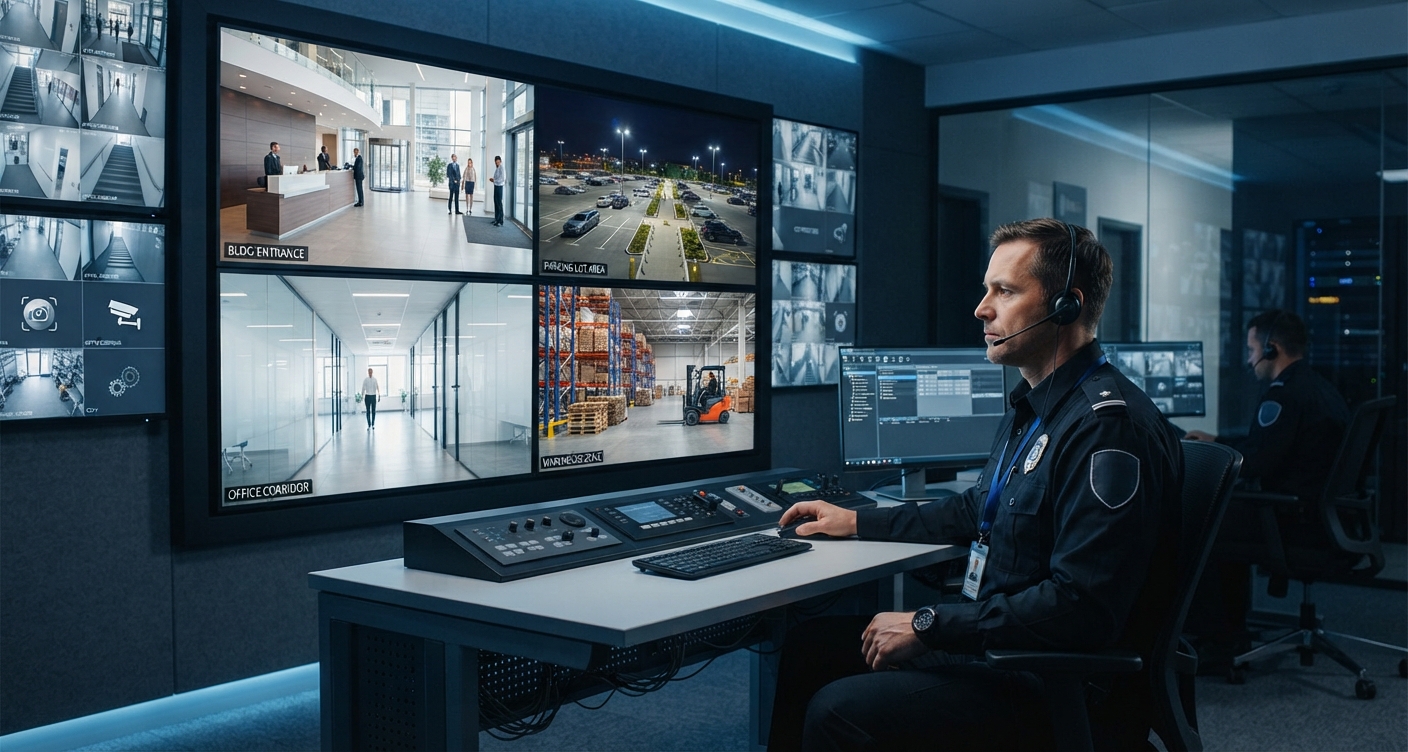
Businesses need to maintain awareness of what is happening across their properties. From entrances and parking areas to warehouses, offices, and restricted spaces, having clear visibility can help security teams identify concerns and respond to incidents more effectively.
Video monitoring has become an important part of modern security operations. When properly planned and combined with trained personnel and clear procedures, it can provide businesses with valuable information while supporting the protection of people, property, and daily operations.
Why Video Monitoring Matters
Security personnel cannot always be physically present in every area of a large property. Monitoring technology can provide additional visibility and help teams keep track of important locations.
A well-designed system can help organizations:
- Monitor important areas continuously.
- Identify unusual activity.
- Support incident investigations.
- Observe entrances and exits.
- Improve situational awareness.
- Provide useful information to security personnel.
The objective is not simply to record activity, but to provide information that can support better security decisions.
Choosing the Right Areas to Monitor
Camera placement is an important part of an effective monitoring strategy. Organizations should first identify areas where visibility is particularly important.
These may include:
- Main entrances and exits.
- Parking areas.
- Reception and common areas.
- Building perimeters.
- Loading and delivery zones.
- Storage facilities.
- Restricted areas.
A property assessment can help identify potential blind spots and determine where additional monitoring may be useful.
Supporting Incident Investigation
Recorded footage can provide useful information when an incident occurs. Security teams may be able to review activity before, during, and after an event to better understand what happened.
This information can help organizations establish timelines, identify relevant activity, and provide appropriate records to management or authorities when required.
Video recordings should always be handled according to organizational procedures and applicable privacy requirements.
Combining Technology With Trained Personnel
Technology can provide information, but trained security personnel are needed to interpret situations and take appropriate action.
Security officers can monitor activity, communicate concerns, respond according to established procedures, and coordinate with supervisors when necessary.
Combining technology with trained personnel creates a more comprehensive approach to security monitoring.
Integration With Other Security Systems
Video monitoring can work alongside other security technologies to provide broader protection.
For example, businesses may combine monitoring with access management systems, alarms, visitor management, communication tools, and digital incident reporting.
When these systems are coordinated properly, security teams can gain a clearer understanding of activity across a facility and respond more efficiently.
Protecting Business Assets
Businesses may have valuable equipment, inventory, documents, and technology that require protection.
Monitoring important areas can help organizations maintain awareness around locations where valuable assets are stored or handled.
Visible security measures may also encourage employees, visitors, and contractors to follow established workplace procedures.
Privacy and Responsible Use
Monitoring systems should be used responsibly. Organizations should establish clear policies regarding where cameras are placed, who can access recordings, how information is stored, and how long it is retained.
Areas where privacy is expected should be handled appropriately, and organizations should follow applicable laws and regulations.
Limiting access to authorized personnel can also help protect sensitive security information.
Regular Maintenance Is Essential
A monitoring system is only useful when it is functioning properly. Cameras, recording equipment, network connections, storage systems, and other components should be inspected and maintained regularly.
Security teams should address issues such as:
- Poor image quality.
- Equipment failure.
- Connectivity problems.
- Damaged cameras.
- Insufficient storage.
- Areas with inadequate coverage.
Regular testing can help ensure that important areas remain visible when monitoring is needed.
Using Monitoring for Proactive Security
One of the benefits of modern monitoring is the ability to identify potential concerns before they develop into larger incidents.
Security personnel can observe unusual activity, monitor sensitive areas, and communicate concerns when appropriate.
Combined with regular patrols and effective security procedures, this can help organizations move toward a more proactive approach to protecting their facilities.
Reviewing Security Coverage
Business operations can change over time. New entrances, additional buildings, construction work, changes in parking arrangements, or expanded operating areas may create new monitoring requirements.
Organizations should periodically review their coverage to ensure that the system continues to support current security needs.
Regular assessments can also help identify outdated equipment and opportunities for improvement.
Conclusion
Video monitoring can provide businesses with greater visibility and valuable information for managing security operations. When cameras are positioned strategically and supported by trained personnel, clear procedures, and appropriate technology, organizations can improve their ability to monitor important areas and respond to incidents.
However, effective monitoring requires more than installing cameras. Responsible information management, regular maintenance, privacy considerations, and ongoing security assessments are equally important.
A carefully planned monitoring strategy can become a valuable part of a broader approach to protecting people, property, and business operations.
You Might Also Like
 Professional Development
 Loss Prevention
 Security Officer Career Growth
 School Security
Ready to See Geo Guard Pro in Action?
14-day free trial. No credit card. No lock-in.