Top Skills Every Security Officer Needs for Career Advancement

Top Skills Every Security Officer Needs for Career Advancement
A career in private security offers more opportunities than ever before. Today's security officers are expected to do much more than monitor entrances or patrol buildings. They play a vital role in protecting people, property, and business operations while using modern technology and making critical decisions under pressure.
Whether you're just starting your career or aiming for a supervisory or management role, developing the right skills can significantly improve your career prospects. Employers actively seek security professionals who combine technical knowledge with strong interpersonal abilities.
Here are the essential skills every security officer should develop to advance in today's security industry.
1. Strong Communication Skills
Communication is one of the most valuable skills for any security officer.
Officers regularly interact with employees, visitors, clients, emergency responders, and law enforcement. Being able to communicate clearly and professionally helps prevent misunderstandings, resolve conflicts, and respond effectively during emergencies.
Good communication includes:
- Speaking clearly and confidently
- Active listening
- Writing accurate incident reports
- Giving clear instructions during emergencies
- Maintaining professionalism in every interaction
Excellent communication builds trust with clients and demonstrates professionalism.
2. Situational Awareness
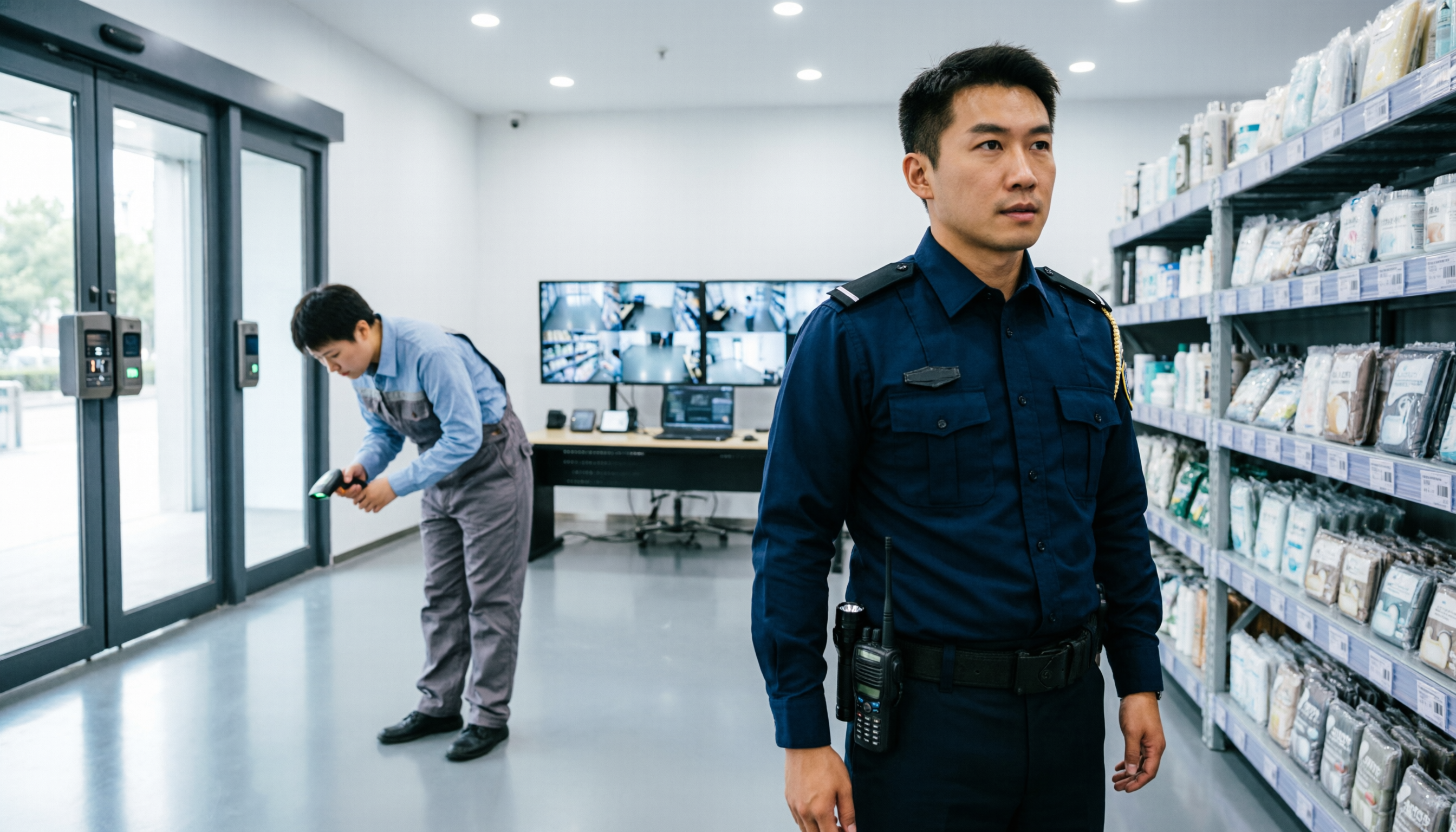
Security professionals must constantly observe their surroundings and identify potential risks before they become serious incidents.
Situational awareness means recognizing unusual behavior, identifying security vulnerabilities, and making informed decisions quickly.
Developing this skill helps officers:
- Detect suspicious activities
- Prevent security breaches
- Respond faster to emergencies
- Protect people and property more effectively
Experienced officers continuously scan their environment while remaining calm and focused.
3. Problem-Solving and Critical Thinking
Every shift presents different situations that require sound judgment.
Rather than reacting impulsively, successful security officers analyze situations, evaluate possible solutions, and choose the safest course of action.
Examples include:
- Handling unauthorized visitors
- Managing workplace disputes
- Responding to alarms
- Coordinating emergency evacuations
Strong critical thinking reduces risks and improves decision-making.
4. Leadership Skills
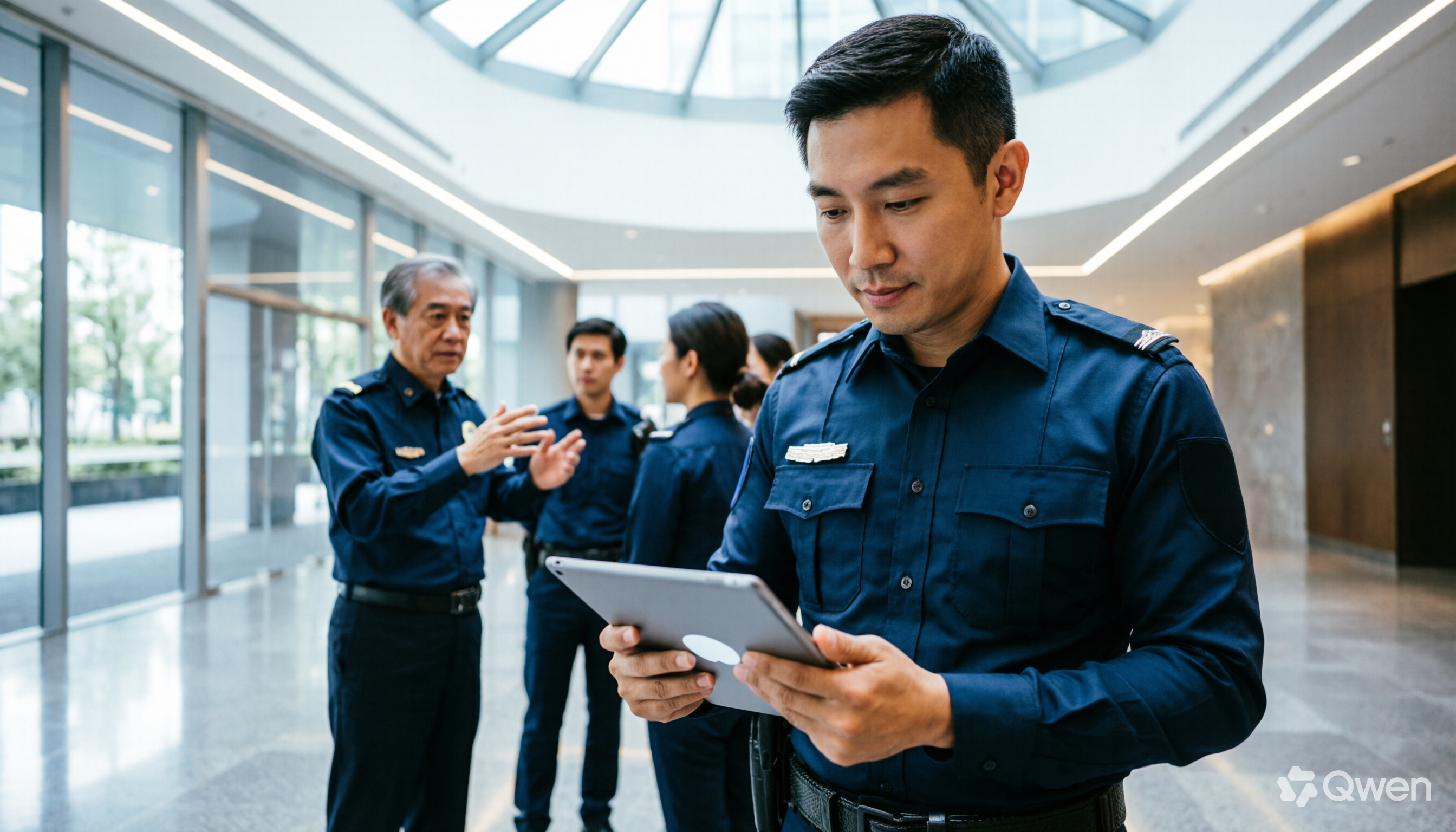
Career advancement often leads to supervisory responsibilities.
Even before becoming a supervisor, officers who demonstrate leadership stand out to employers.
Leadership includes:
- Taking initiative
- Supporting team members
- Remaining calm during stressful situations
- Making responsible decisions
- Setting a professional example
Leadership isn't about rank—it's about influence and accountability.
5. Technical Proficiency
Modern security relies heavily on technology.
Today's officers are expected to use:
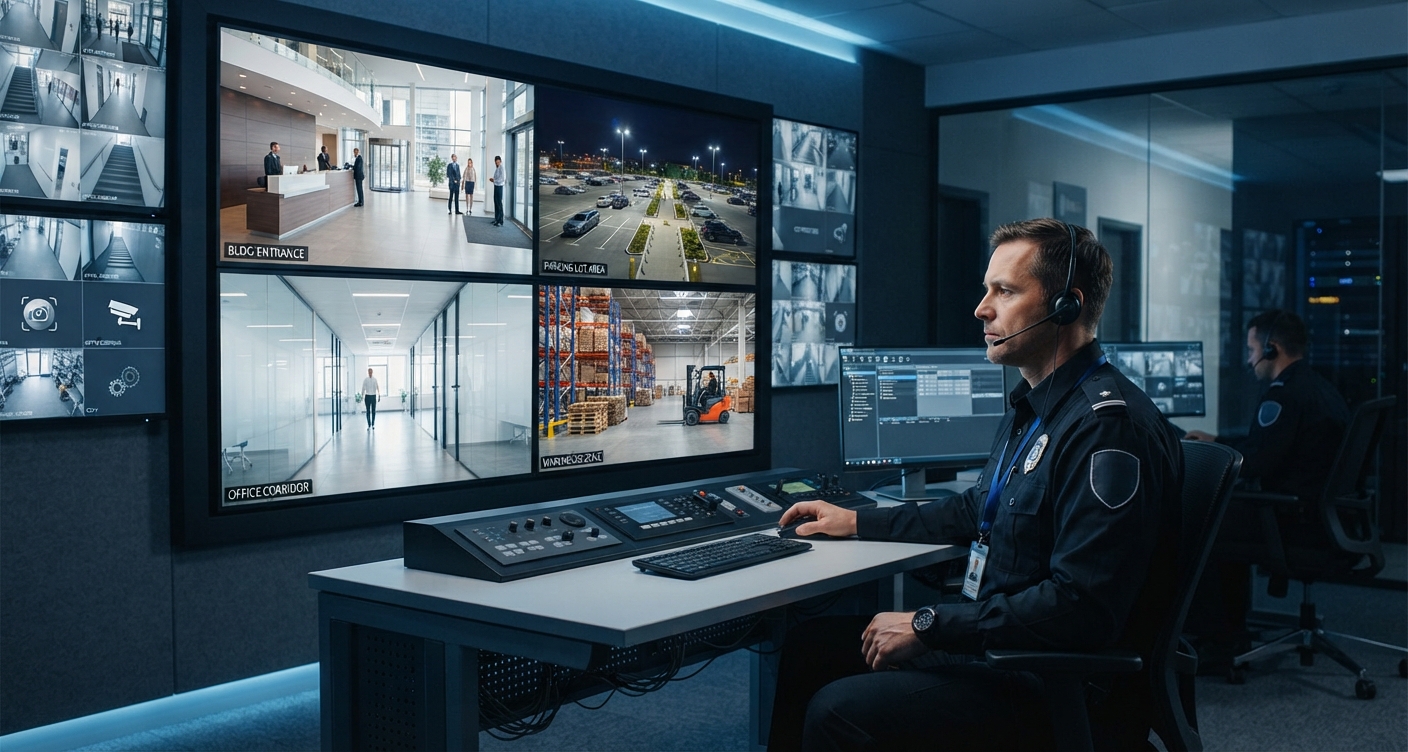
- CCTV monitoring systems
- Access control systems
- Visitor management software
- Mobile patrol applications
- Incident reporting platforms
- Digital communication tools
Being comfortable with modern security technology makes officers more valuable to employers and opens opportunities for promotion.
6. Report Writing Skills
Incident reports serve as official records that may be reviewed by clients, management, insurance companies, or law enforcement.
A professional report should be:
- Accurate
- Objective
- Detailed
- Easy to understand
- Grammatically correct
Strong documentation demonstrates professionalism and protects both the officer and the organization.
7. Conflict Resolution
Security officers regularly encounter difficult situations involving upset customers, employees, or visitors.
Knowing how to de-escalate conflicts peacefully helps maintain safety while avoiding unnecessary confrontations.
Effective conflict resolution involves:
- Remaining calm
- Listening carefully
- Showing empathy
- Using respectful language
- Finding practical solutions
Officers who can manage conflict professionally become valuable assets to any organization.
8. Physical Fitness
Although technology has transformed the security industry, physical readiness remains important.
Officers may need to:
- Patrol large properties
- Stand for extended periods
- Respond quickly during emergencies
- Assist people in need
Maintaining good physical fitness improves performance, endurance, and overall health.
9. Adaptability
Security environments constantly change.
New technologies, updated regulations, evolving threats, and changing client requirements mean officers must be willing to learn continuously.
Adaptable security professionals:
- Learn new software quickly
- Accept new responsibilities
- Adjust to changing schedules
- Stay updated on industry best practices
Continuous learning leads to long-term career growth.
10. Integrity and Professionalism
Trust is the foundation of every security role.
Employers rely on officers who demonstrate honesty, responsibility, confidentiality, and ethical behavior.
Professional officers:
- Follow company policies
- Respect confidentiality
- Arrive on time
- Wear proper uniforms
- Treat everyone fairly
Integrity creates opportunities for promotions and leadership positions.
Continuous Training Makes the Difference
The security industry continues to evolve with new technologies and increasing client expectations.
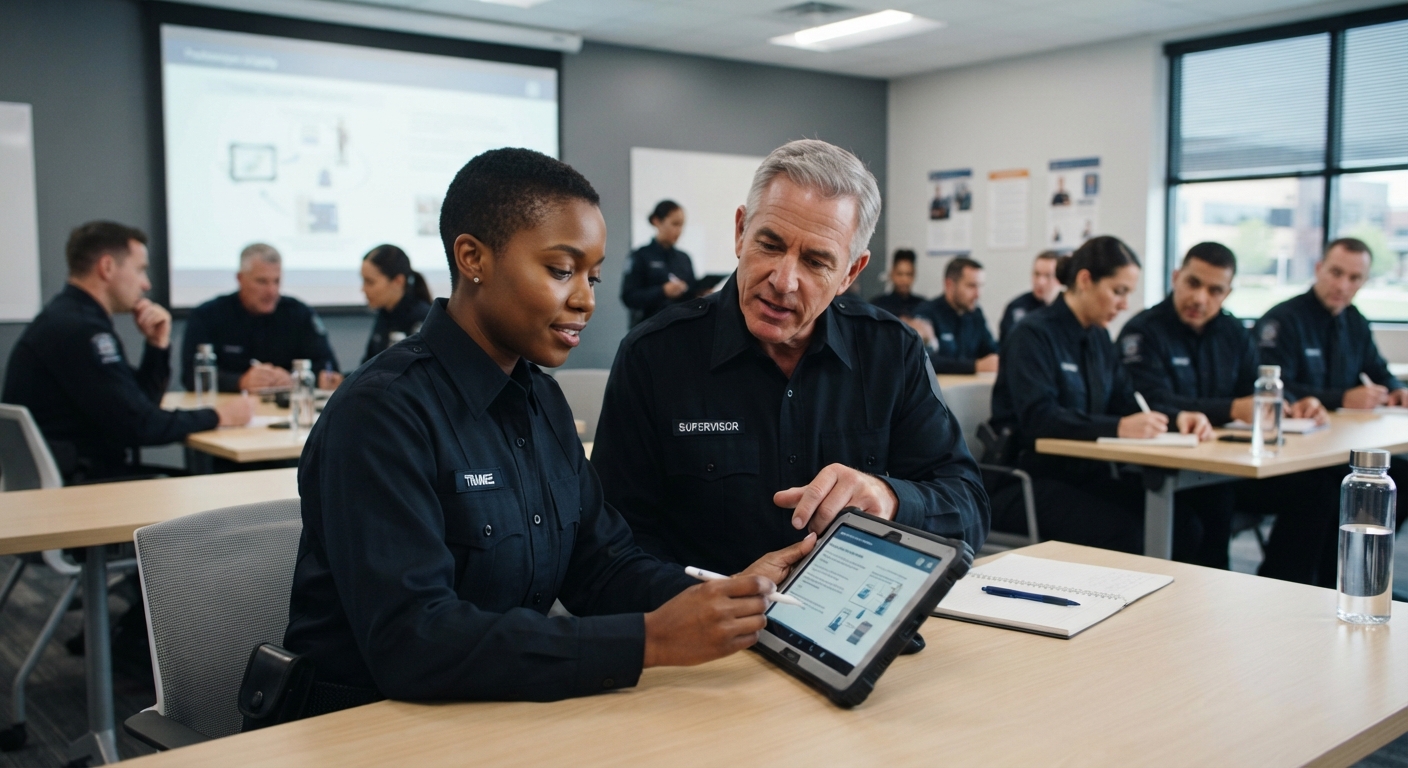
Officers who regularly participate in training programs, earn certifications, improve communication skills, and learn new security technologies position themselves for long-term success.
Investing in personal development today can lead to supervisory, management, or specialized security roles in the future.
You Might Also Like
 Professional Development
 Loss Prevention
 Security Officer Career Growth
 CCTV & Surveillance
Ready to See Geo Guard Pro in Action?
14-day free trial. No credit card. No lock-in.