Improving Workplace Security Through Smarter Monitoring
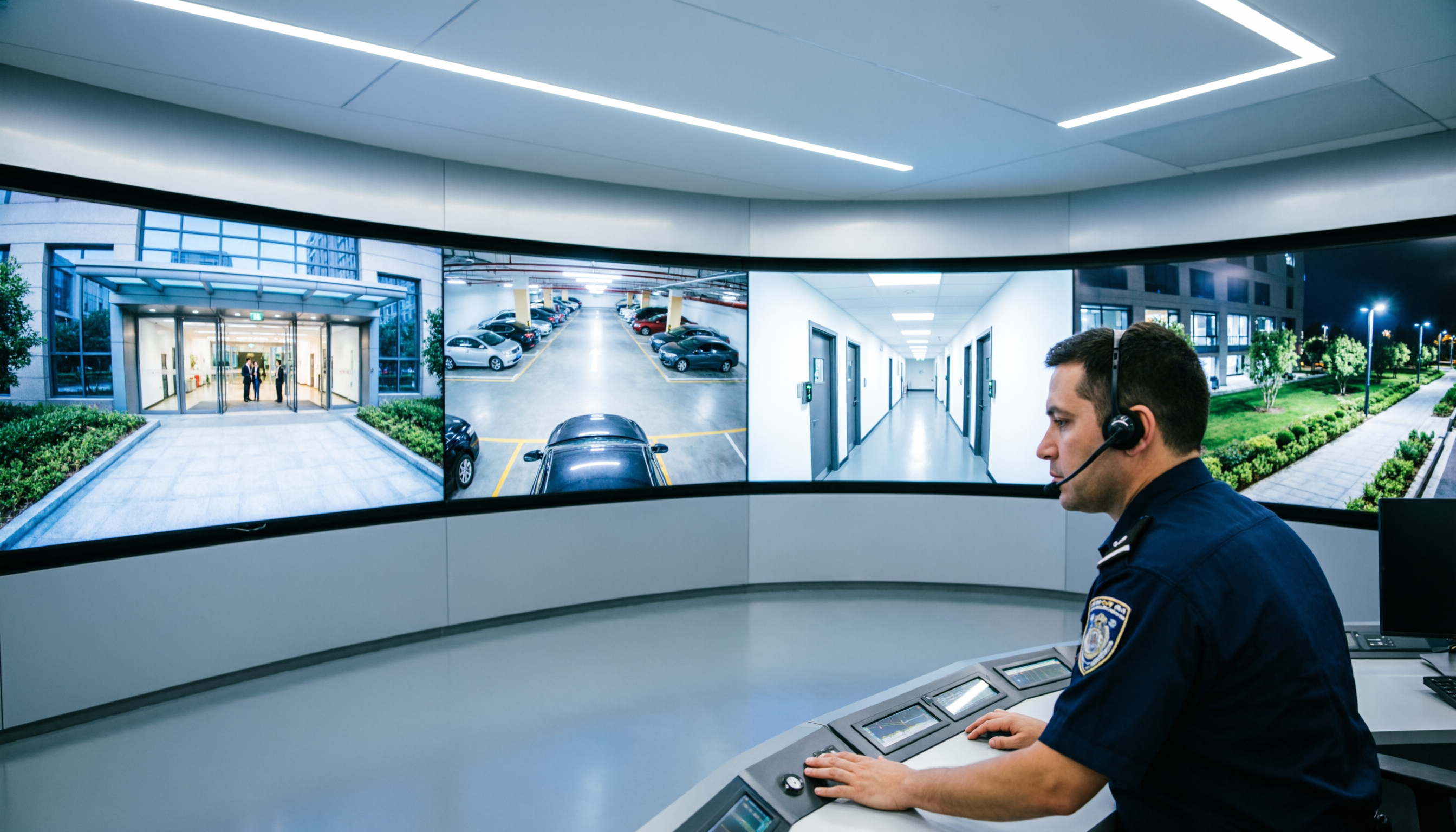
Maintaining visibility across a workplace is an important part of an effective security strategy. Businesses need to understand what is happening across entrances, common areas, parking facilities, storage locations, and other important parts of their property.
Modern monitoring technology can help security teams maintain greater awareness of activity across a facility. When combined with trained personnel and clear procedures, it can support prevention, incident response, and day-to-day security management.
Why Visibility Matters
Security teams cannot always be physically present in every part of a large facility at the same time. Monitoring technology can provide additional visibility and help teams keep track of important areas.
A well-planned monitoring approach can help organizations:
- Observe activity in important areas.
- Identify unusual events.
- Support incident investigations.
- Monitor entrances and exits.
- Improve awareness across larger properties.
- Provide useful information to security personnel.
The goal is not simply to watch an area, but to provide useful information that supports better security decisions.
Protecting Important Areas
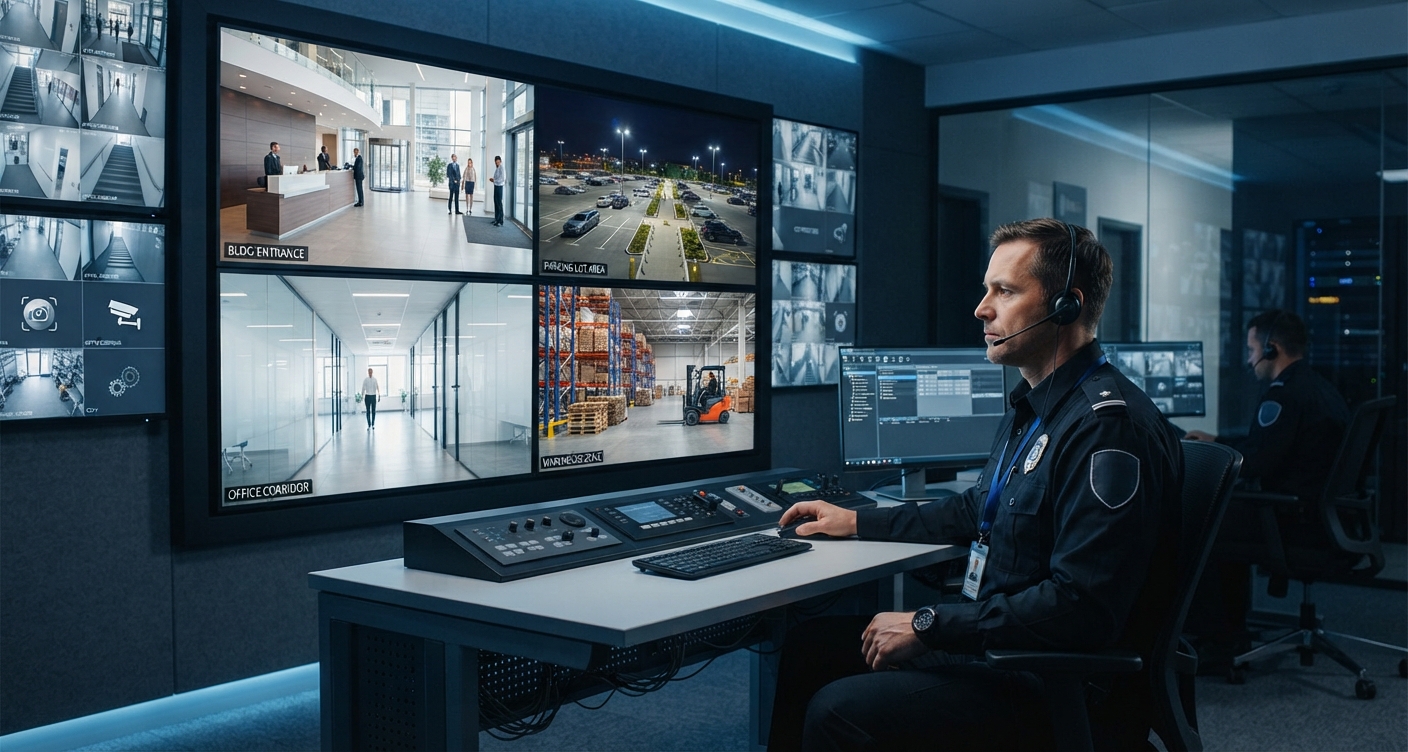
Different parts of a property may require different levels of monitoring. Entrances, reception areas, parking facilities, loading zones, restricted rooms, and building perimeters can all present different security considerations.
Organizations should identify areas that are most important to their operations and position monitoring equipment appropriately.
Proper placement can help reduce blind spots and provide security teams with better awareness of activity across the property.
Supporting Incident Response
When an unusual event occurs, having access to recorded or live monitoring information can help security personnel understand what is happening.
Security teams may be able to identify when an event occurred, determine which area was involved, and provide relevant information to supervisors or appropriate authorities.
However, monitoring systems should support established response procedures rather than replace professional judgment.
The Role of Security Personnel
Technology is only one part of an effective security operation. Trained security officers are still important for interpreting situations, communicating with people, responding to incidents, and following workplace procedures.
An officer monitoring a facility can assess information from different sources and take appropriate action according to the organization's policies.
The combination of trained personnel and reliable technology can create a stronger security environment than either approach used independently.
Monitoring and Access Management
Monitoring technology can work alongside access management systems to provide a broader view of facility activity.
For example, an organization may use controlled entry points while monitoring entrances and surrounding areas. This can help security personnel identify unusual activity and respond to access-related concerns.
Integrating different security processes can make daily operations more organized and provide teams with better situational awareness.
Using Recorded Information Responsibly
Recorded security information can be valuable when reviewing incidents, but organizations should establish clear policies for how this information is accessed, stored, and used.
Access to security recordings should be limited to authorized personnel, and organizations should follow applicable privacy requirements and internal policies.
Clear procedures help protect both the organization and the individuals who may appear in recorded footage.
Regular System Maintenance
Security monitoring equipment needs regular maintenance to remain reliable. Cameras, recording systems, network connections, storage systems, and related equipment should be checked according to an organization's maintenance schedule.
Potential issues such as poor image quality, equipment failure, damaged hardware, or connectivity problems should be identified and addressed promptly.
Regular testing can help ensure that important areas remain properly monitored when the system is needed.
Choosing the Right Solution
Every property has different requirements. A small office may need a relatively simple setup, while a large commercial facility may require extensive coverage across multiple buildings and outdoor areas.
Before selecting equipment, organizations should consider:
- Property size and layout.
- Important areas requiring monitoring.
- Lighting conditions.
- Operating hours.
- Storage requirements.
- Number of monitoring points.
- Integration with other security systems.
- Applicable privacy and organizational requirements.
A security assessment can help determine the most appropriate solution for the environment.
Building a More Proactive Security Approach
Effective monitoring can help organizations move from simply responding to incidents toward identifying potential concerns earlier.
When security teams have better visibility, they can monitor unusual activity, identify developing situations, and communicate concerns before they become larger operational problems.
Combined with regular patrols, access management, incident reporting, and trained personnel, monitoring technology can become an important part of a proactive security strategy.
Conclusion
Modern monitoring solutions can provide businesses with greater visibility across their facilities and support security teams in managing daily operations. From entrances and parking areas to restricted locations and building perimeters, appropriate monitoring can help organizations identify activity and respond to incidents more effectively.
The most effective approach combines reliable technology with trained security personnel, clear procedures, responsible information management, and regular system maintenance.
By reviewing their specific security requirements and using technology strategically, organizations can create a more informed, organized, and responsive security environment.
You Might Also Like
 Professional Development
 Loss Prevention
 Security Officer Career Growth
 CCTV & Surveillance
Ready to See Geo Guard Pro in Action?
14-day free trial. No credit card. No lock-in.