Creating a Safer and More Secure School Environment
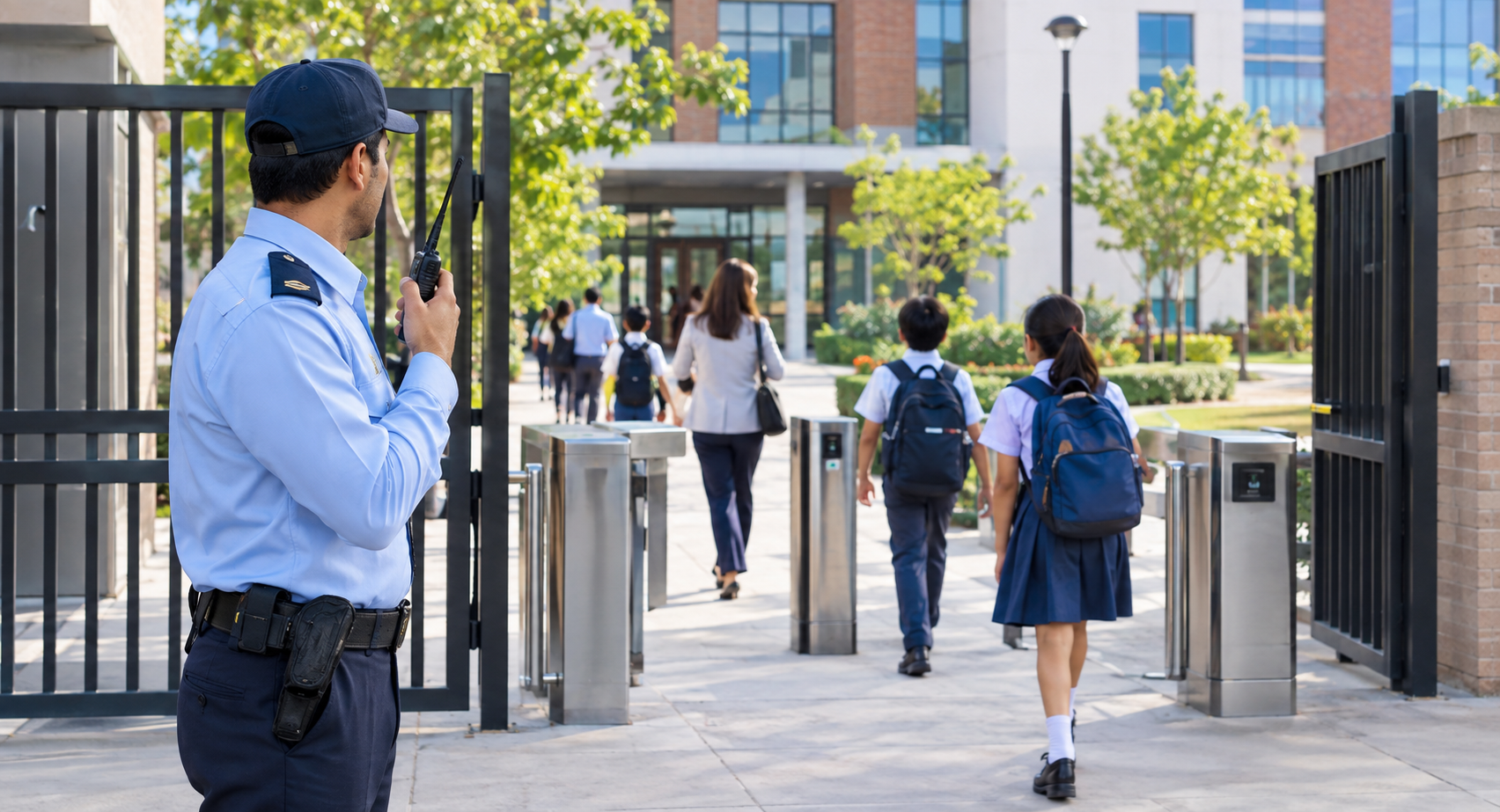
Schools need an environment where students can learn, teachers can work, and visitors can enter safely. With many people moving through a campus throughout the day, having clear safety procedures and appropriate security measures is an important part of school operations.
A well-planned approach can help schools manage visitors, monitor entrances, respond to incidents, and maintain a safe environment without unnecessarily disrupting normal educational activities.
Understanding the School Environment
Every school has its own layout, schedule, student population, and operational requirements. Security planning should take these factors into consideration.
Important areas may include:
- Main entrances and exits.
- Parking areas.
- Administrative offices.
- Classrooms and common areas.
- Playgrounds and outdoor spaces.
- Staff-only areas.
- Storage and equipment areas.
Understanding how people move through the campus can help identify areas that may require additional attention.
Managing Visitors and Access
Schools receive visitors for many reasons, including parents, contractors, delivery personnel, guests, and service providers. Having a clear visitor management process can help staff identify authorized visitors and maintain better control over access.
Depending on the school's procedures, visitors may be required to check in, provide identification, wear visitor credentials, or remain within designated areas.
Clear access procedures should be communicated to staff so that everyone understands how to handle unexpected or unauthorized visitors.
Monitoring Entrances and Important Areas
The main entrance is often an important point for maintaining awareness of activity around a school. Trained personnel can monitor entry points, assist visitors, observe unusual activity, and communicate concerns to school management.
Other areas, such as parking facilities, playgrounds, and building perimeters, may also require regular monitoring depending on the school's layout and identified risks.
Supporting Students and Staff
Security personnel are part of the broader school environment and should interact with students, teachers, staff, and visitors professionally and respectfully.
Their role may include providing directions, assisting with access procedures, reporting safety concerns, and supporting established school policies.
A professional and approachable presence can contribute to a more organized campus environment.
Emergency Preparedness
Schools should have clear procedures for responding to emergencies. Depending on the location and circumstances, these may include fire emergencies, medical incidents, severe weather, unauthorized access, or other unexpected situations.
Security personnel and relevant school staff should understand their responsibilities, communication procedures, emergency exits, and escalation processes.
Regular reviews and appropriate drills can help staff remain familiar with emergency procedures.
The Role of Surveillance Technology
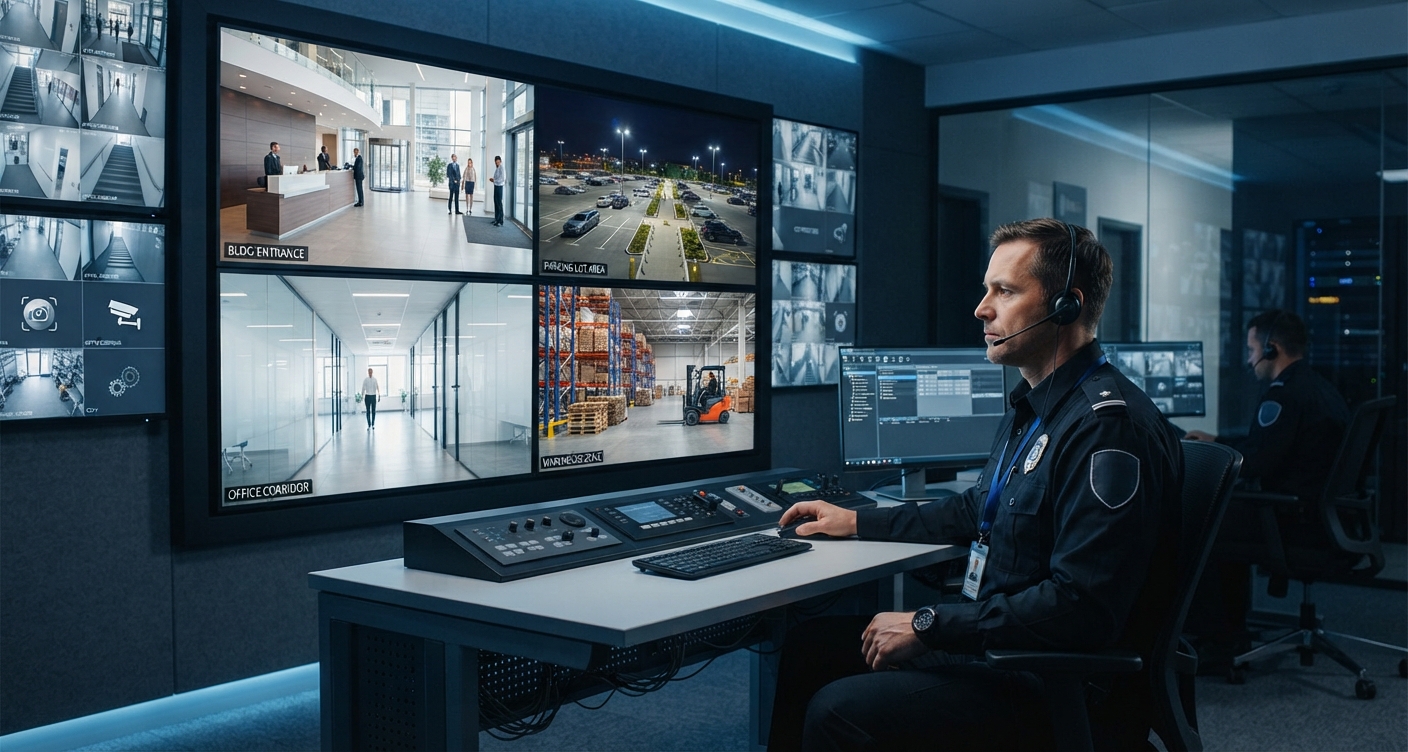
Modern technology can provide additional visibility across school facilities. Surveillance systems may be used to monitor entrances, hallways, outdoor areas, parking locations, and other appropriate areas.
Access management technology can also help control entry to restricted locations.
These systems should be operated according to school policies and applicable privacy requirements, with access to sensitive information limited to authorized personnel.
Communication Is Essential
Effective communication can help school staff and security personnel respond more efficiently when concerns arise.
Schools should establish clear communication channels between security officers, administrators, teachers, maintenance teams, and emergency services where appropriate.
Security personnel should know who to contact when an issue occurs and how important information should be reported.
Regular Safety Assessments
School environments change throughout the year. New buildings, schedule changes, construction work, special events, and changes in campus activities can introduce new security considerations.
Regular assessments can help schools identify potential vulnerabilities and determine whether existing procedures continue to meet current needs.
Reviewing entrances, access points, emergency routes, lighting, and monitoring coverage can support ongoing improvements.
Training and Professional Standards
Security personnel working in schools should understand the specific requirements of the educational environment.
Training can cover areas such as:
- Visitor management.
- Communication procedures.
- Emergency response.
- Incident reporting.
- Access management.
- Professional conduct.
- Campus-specific policies.
School-specific training helps personnel understand their responsibilities and work more effectively with teachers, administrators, and other staff.
Creating a Security-Conscious School Community
Safety is a shared responsibility. Security personnel can provide professional support, but teachers, administrators, students, and other staff members also contribute to a secure environment.
Schools can encourage everyone to follow access procedures, report unusual activity, protect credentials, and understand emergency instructions.
Clear communication and consistent procedures can help make safety part of everyday school operations.
Reviewing Procedures After Incidents
When an incident occurs, schools can benefit from reviewing how the situation was handled. Identifying what worked well and what could be improved can help strengthen future procedures.
Post-incident reviews should focus on practical improvements, communication, response times, and coordination between relevant personnel.
Conclusion
Creating a safer school environment requires preparation, trained personnel, clear procedures, effective communication, and appropriate technology. Managing visitors, monitoring important areas, preparing for emergencies, and regularly reviewing safety procedures can all contribute to better campus protection.
Schools should develop their approach according to their specific environment and applicable requirements. By maintaining clear responsibilities and continually improving their procedures, educational institutions can support a safer and more organized environment for students, staff, and visitors.
You Might Also Like
 Professional Development
 Loss Prevention
 Security Officer Career Growth
 CCTV & Surveillance
Ready to See Geo Guard Pro in Action?
14-day free trial. No credit card. No lock-in.