Keeping Security Personnel Safe in Challenging Work Environments
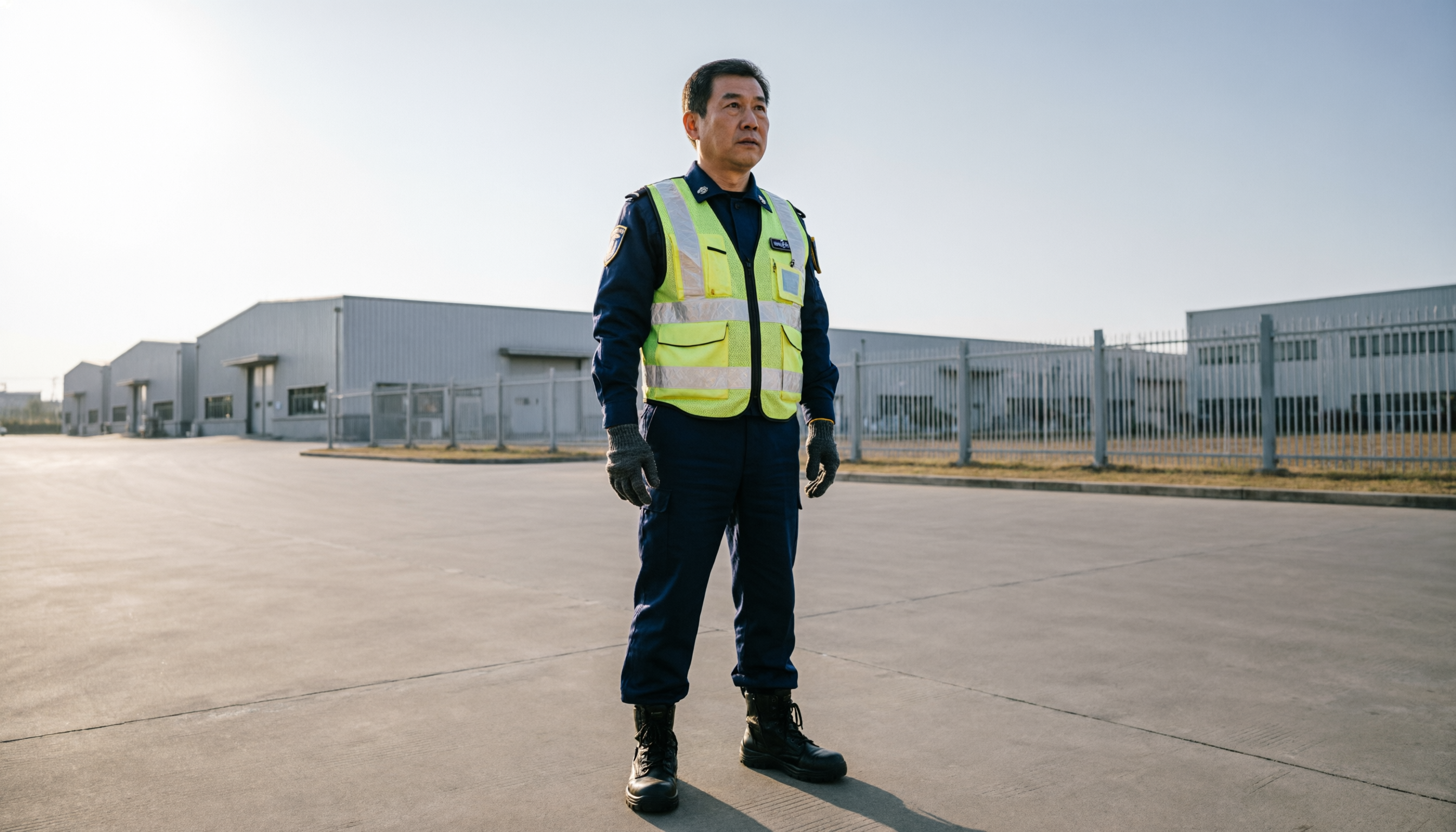
Security officers work in a wide variety of environments and may spend long hours outdoors, around vehicles, at construction sites, in warehouses, or inside large commercial facilities. These working conditions can expose personnel to different workplace hazards, making safety an important part of effective security operations.
Providing security personnel with appropriate protective equipment can help reduce exposure to workplace risks and allow officers to carry out their responsibilities more safely. The specific equipment required should always depend on the environment, assigned duties, and identified hazards.
Understanding Workplace Hazards
Before deciding what protective equipment is required, organizations should understand the conditions in which their security personnel work.
Potential hazards may include:
- Poor lighting and limited visibility.
- Moving vehicles and equipment.
- Uneven or slippery surfaces.
- Dust and debris.
- Extreme weather conditions.
- Excessive workplace noise.
- Construction-related hazards.
- Outdoor environmental conditions.
A proper workplace assessment can help identify which risks require additional protection.
Choosing Appropriate Safety Equipment
Not every security assignment requires the same protective equipment. A security officer working inside an office building may have very different requirements from someone stationed at a construction site or industrial facility.
Depending on the environment, appropriate equipment may include:
- High-visibility clothing.
- Protective footwear.
- Work gloves.
- Head protection.
- Hearing protection.
- Weather-appropriate clothing.
- Other site-specific protective equipment.
Equipment should be selected based on the actual hazards and requirements of the assignment rather than using the same approach for every location.
High-Visibility Clothing
Security personnel working near roads, parking areas, construction zones, loading areas, or moving vehicles may need to remain clearly visible to drivers and other workers.
High-visibility clothing can help make personnel easier to identify, particularly during low-light conditions or busy operations.
Organizations should ensure that visibility requirements are appropriate for the specific work environment.
Protective Footwear
Security officers may spend many hours standing or walking during their shifts. In some environments, they may also encounter uneven surfaces, wet areas, debris, or other workplace hazards.
Appropriate protective footwear can provide support and help reduce exposure to certain foot-related hazards.
The type of footwear should be selected according to the conditions of the assignment.
Hand Protection
Some security assignments may involve handling equipment, opening gates, checking certain areas, or working around materials that could cause minor hand injuries.
Where the workplace assessment identifies a need, suitable gloves can provide additional protection.
However, gloves should be selected according to the specific task because different materials provide different types of protection.
Protection for Outdoor Assignments
Outdoor security personnel may work in changing weather conditions for extended periods. Heat, cold, rain, wind, and poor visibility can all affect comfort and performance.
Organizations should consider appropriate clothing and safety measures for the local working environment.
Security officers should also have access to suitable breaks, hydration, and other workplace safety measures where applicable.
Equipment for Higher-Risk Environments
Some security assignments take place in environments with additional hazards, such as construction sites, industrial facilities, warehouses, or areas with heavy equipment.
In these locations, security personnel may need additional site-specific protective equipment and safety training.
Before assigning an officer to such an environment, organizations should ensure that the officer understands the relevant hazards, procedures, and equipment requirements.
Training Is Just as Important
Protective equipment is most effective when personnel understand how to use it correctly.
Security organizations should provide appropriate training covering:
- When equipment is required.
- How to wear and use it properly.
- How to inspect equipment.
- How to store equipment.
- When damaged equipment should be replaced.
- What to do when additional protection is required.
Training helps ensure that equipment is used consistently rather than simply being issued and forgotten.
Inspecting and Maintaining Equipment
Protective equipment can become damaged or worn through regular use. Security organizations should establish procedures for inspecting equipment and replacing items that no longer provide appropriate protection.
Security officers should also report damaged, missing, or unsuitable equipment to their supervisors as soon as possible.
Regular inspections can help identify problems before they affect workplace safety.
Creating a Strong Safety Culture
Safety should be part of everyday security operations rather than something considered only after an incident occurs.
Supervisors can support a stronger safety culture by communicating expectations clearly, providing appropriate equipment, reviewing workplace hazards, and encouraging officers to report safety concerns.
Security personnel should also understand that reporting a potential hazard is an important part of their professional responsibilities.
Balancing Safety and Operational Requirements
Protective equipment should allow security officers to perform their duties without creating unnecessary restrictions.
Organizations should consider comfort, mobility, environmental conditions, and the actual responsibilities of the officer when selecting equipment.
The objective is to provide appropriate protection while allowing personnel to communicate, patrol, monitor, and respond effectively.
Conclusion
Security personnel can work in many different environments, each with its own safety requirements. Understanding workplace hazards and providing appropriate protective equipment can help organizations create safer working conditions for their security teams.
High-visibility clothing, protective footwear, gloves, weather-appropriate equipment, and other site-specific protection can all have an important role where hazards require them.
However, effective protection depends on more than equipment alone. Proper training, regular inspections, clear procedures, and a strong workplace safety culture are equally important.
You Might Also Like
 Professional Development
 Loss Prevention
 Security Officer Career Growth
 CCTV & Surveillance
Ready to See Geo Guard Pro in Action?
14-day free trial. No credit card. No lock-in.