How Effective Workplace Management Improves Employee Productivity and Business Performance
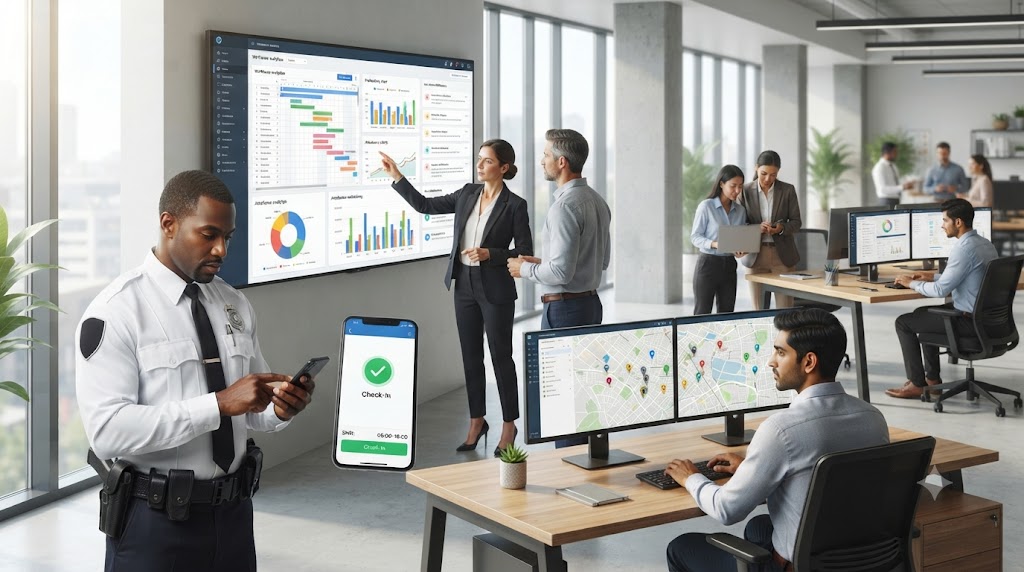
Effective Workplace Management Improves Employee Productivity and Business Performance
Modern organizations operate in fast-paced environments where efficiency, communication, and accountability are more important than ever. Whether a company manages office employees, field technicians, security guards, healthcare workers, or sales representatives, maintaining an organized workplace is essential for achieving operational success.
Workplace management is more than assigning shifts or monitoring attendance. It involves creating systems, processes, and strategies that help employees perform their responsibilities efficiently while ensuring business objectives are consistently achieved. Organizations that invest in workplace management not only improve productivity but also reduce operational costs, enhance employee satisfaction, and strengthen customer trust.
In today's digital workplace, businesses increasingly rely on workforce management software, automation, GPS tracking, mobile applications, and real-time reporting to simplify operations and improve visibility across teams. These technologies help managers make informed decisions while allowing employees to focus on delivering quality work instead of dealing with unnecessary administrative tasks.
This article explores why workplace management matters, its key components, common challenges, and practical strategies organizations can implement to create a more productive and efficient work environment.
-
Understanding Workplace Management
Workplace management is the process of organizing people, resources, technology, and workflows to ensure daily business operations run smoothly. It includes everything from employee scheduling and attendance tracking to communication, task management, compliance, workplace safety, and performance monitoring.
Effective workplace management creates a structured environment where employees clearly understand their responsibilities, managers have visibility into operations, and businesses can achieve their strategic goals without unnecessary delays or confusion.
For companies with field employees or security personnel, workplace management also includes GPS tracking, shift verification, digital reporting, incident management, and real-time communication to ensure staff remain accountable throughout their shifts.
-
Why Workplace Management Matters
Organizations with well-managed workplaces experience higher productivity because employees spend less time dealing with confusion, scheduling conflicts, or manual paperwork.
When operations are properly organized, businesses benefit from:
-
Improved employee productivity
-
Better communication between teams
-
Accurate attendance records
-
Faster decision-making
-
Reduced operational costs
-
Higher employee satisfaction
-
Increased customer confidence
-
Better regulatory compliance
-
Improved workplace safety
-
Stronger overall business performance
A structured workplace allows employees to focus on meaningful work while managers spend more time improving operations instead of solving preventable problems.
-
The Role of Technology in Modern Workplace Management
Technology has transformed how organizations manage their workforce.
Instead of relying on paper attendance sheets, spreadsheets, or manual reports, businesses now use cloud-based workplace management solutions that provide real-time visibility into daily operations.
Modern workplace management software typically includes features such as:
-
Employee scheduling
-
Shift management
-
GPS attendance verification
-
Geofencing
-
Mobile clock-in and clock-out
-
Digital timesheets
-
Incident reporting
-
Task management
-
Real-time notifications
-
Performance reporting
-
Payroll integration
-
Workforce analytics
These digital tools help eliminate manual errors while improving operational efficiency.
-
Improving Employee Productivity
Productivity is one of the biggest goals of workplace management.
Employees perform better when expectations are clear, communication is consistent, and resources are easily accessible.
Managers can improve productivity by:
-
Creating realistic work schedules
-
Defining clear responsibilities
-
Providing continuous training
-
Offering regular feedback
-
Reducing unnecessary paperwork
-
Using digital workforce tools
-
Encouraging teamwork
-
Recognizing employee achievements
When employees understand their objectives and have access to the right technology, they are more engaged and motivated to perform at their best.
-
Communication Builds Stronger Teams
Poor communication is one of the leading causes of workplace inefficiency.
Misunderstood instructions, delayed updates, and missing information often result in mistakes that affect productivity and customer satisfaction.
Organizations should establish clear communication channels using:
-
Mobile workforce applications
-
Team messaging platforms
-
Daily briefings
-
Digital task assignments
-
Incident reporting systems
-
Emergency alerts
Consistent communication keeps everyone informed and reduces operational delays.
-
Managing Remote and Field Employees
Many organizations now manage employees working outside traditional office environments.
Security companies, maintenance businesses, healthcare providers, delivery services, and sales organizations require complete visibility into field operations.
Modern workplace management solutions provide:
-
Live GPS tracking
-
Geofencing verification
-
Mobile attendance
-
Route monitoring
-
Task completion updates
-
Digital patrol verification
-
Incident reporting
-
Real-time supervisor notifications
These features help managers monitor field operations without unnecessary phone calls or paperwork.
-
Workplace Safety Should Never Be Overlooked
A safe workplace directly contributes to higher productivity and employee confidence.
Organizations should establish safety procedures that include:
-
Emergency response plans
-
Incident reporting processes
-
Safety training
-
Risk assessments
-
Regular inspections
-
Employee wellness programs
-
Digital safety checklists
For security organizations, panic buttons, location tracking, and emergency escalation systems provide additional protection for guards working alone or during night shifts.
-
Data-Driven Decision Making
Modern workplace management generates valuable operational data.
Businesses can analyze information such as:
-
Attendance trends
-
Employee performance
-
Shift completion rates
-
Overtime costs
-
Productivity metrics
-
Incident frequency
-
Task completion times
Managers use this information to identify opportunities for improvement and make informed business decisions based on real performance data rather than assumptions.
-
Common Workplace Management Challenges
Many businesses continue to face challenges including:
-
Manual scheduling
-
Attendance fraud
-
Communication gaps
-
Paper-based reporting
-
Poor workforce visibility
-
Employee burnout
-
High administrative workload
-
Compliance issues
Adopting digital workplace management software significantly reduces these challenges while improving operational consistency.
-
Best Practices for Successful Workplace Management
Organizations seeking long-term success should focus on continuous improvement.
Some proven best practices include:
-
Standardize operational procedures
-
Automate repetitive tasks
-
Monitor workforce performance
-
Encourage employee feedback
-
Invest in staff training
-
Use cloud-based workforce software
-
Maintain transparent communication
-
Prioritize workplace safety
-
Track operational metrics
-
Continuously review business processes
Small improvements made consistently often produce significant long-term results.
You Might Also Like
 Professional Development
 Loss Prevention
 Security Officer Career Growth
 CCTV & Surveillance
Ready to See Geo Guard Pro in Action?
14-day free trial. No credit card. No lock-in.