Creating a Safe and Well-Organized Environment for Large Events
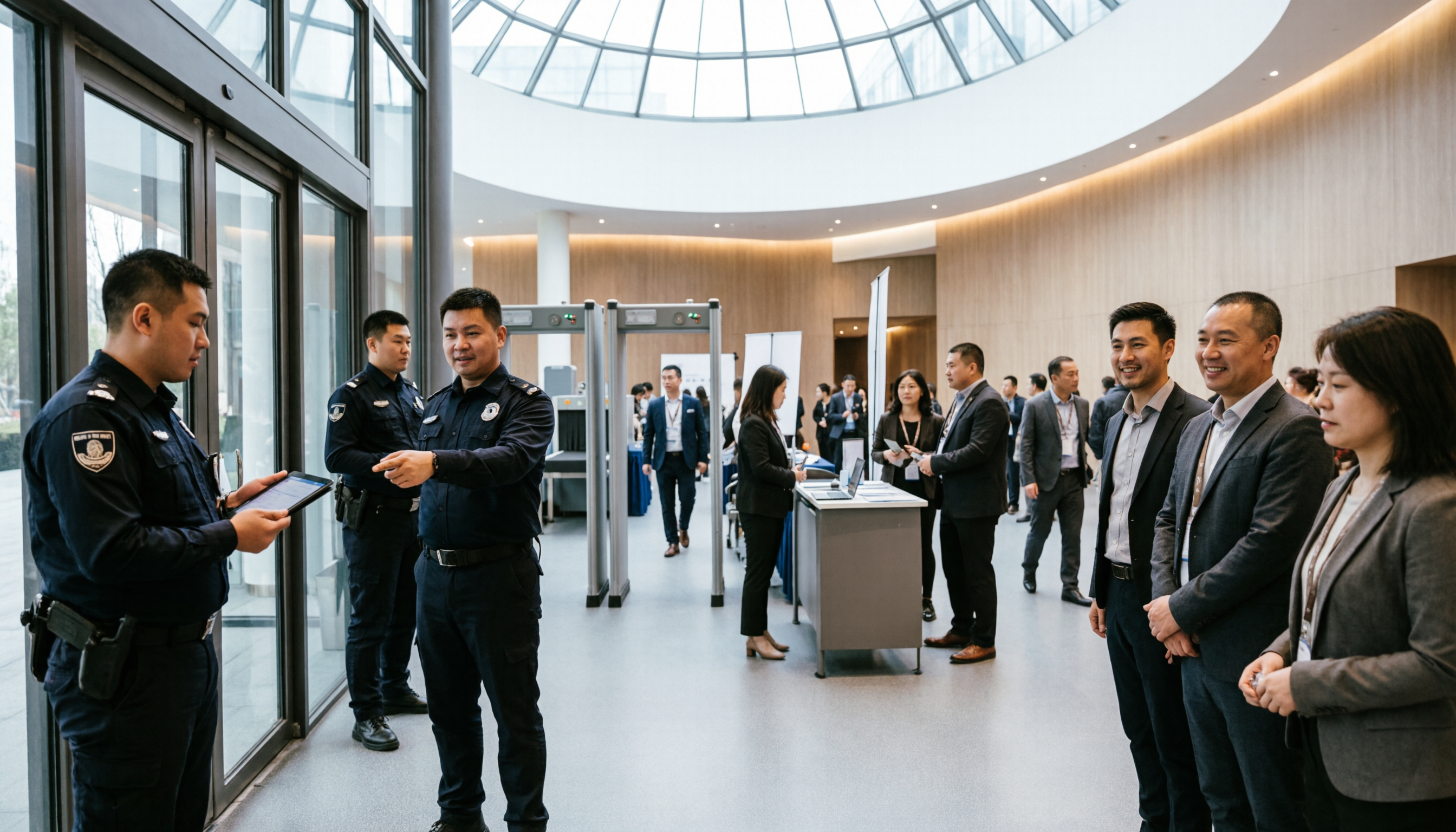
Large events bring together many people in one location, making organization, communication, and safety essential. Whether it is a corporate gathering, conference, concert, exhibition, sporting event, or private function, careful planning can help create a secure and comfortable environment for attendees.
Professional personnel can support event organizers by monitoring entrances, managing access, observing crowd activity, assisting visitors, and responding to unexpected situations according to established procedures.
Why Event Planning Matters
Successful events require more than a good venue and schedule. Organizers should consider how people will enter, move through, and leave the venue.
Important factors include:
- Number of expected attendees.
- Venue size and layout.
- Number of entrances and exits.
- Restricted areas.
- Parking and transportation arrangements.
- Event schedule.
- Potential crowding points.
- Emergency procedures.
Understanding these factors in advance allows organizers to create a more structured approach to managing the event.
Managing Entrances and Exits
Entry points can become busy quickly when large numbers of attendees arrive at the same time. Clear procedures can help reduce congestion and maintain an organized flow of people.
Trained personnel can assist by monitoring entrances, checking approved credentials or tickets where required, directing attendees, and identifying access issues.
Exit routes should also remain clear and accessible throughout the event.
Controlling Restricted Areas
Not every area of an event venue should be accessible to everyone. Staff-only rooms, equipment areas, backstage locations, storage spaces, and operational areas may require restricted access.
Clearly defined access procedures can help prevent unauthorized individuals from entering these locations.
Event personnel should know which areas are restricted and how to respond when someone attempts to enter without appropriate authorization.
Crowd Awareness and Communication
Large gatherings require continuous awareness of crowd movement. Congestion can develop around entrances, exits, food areas, stages, seating sections, or other popular locations.
Personnel should remain alert to changing conditions and communicate important information to event management when necessary.
Clear communication between security personnel, event staff, venue management, and emergency services can help teams coordinate their response when situations change.
Supporting Attendee Safety
Attendees may require assistance for many different reasons during an event. They may become separated from their group, need directions, lose personal belongings, or require assistance with another concern.
Professional personnel should communicate respectfully and help direct attendees to the appropriate event staff or services.
A visible and approachable team can also make attendees feel more comfortable throughout the event.
Preparing for Emergencies
Every large event should have clear procedures for responding to emergencies. Depending on the venue and event, this may involve medical incidents, fire alarms, severe weather, evacuation requirements, or other unexpected situations.
Event personnel should understand their responsibilities and communication procedures before the event begins.
Emergency exits and access routes should remain clear, while relevant staff should know how to communicate with emergency services when required.
The Role of Technology
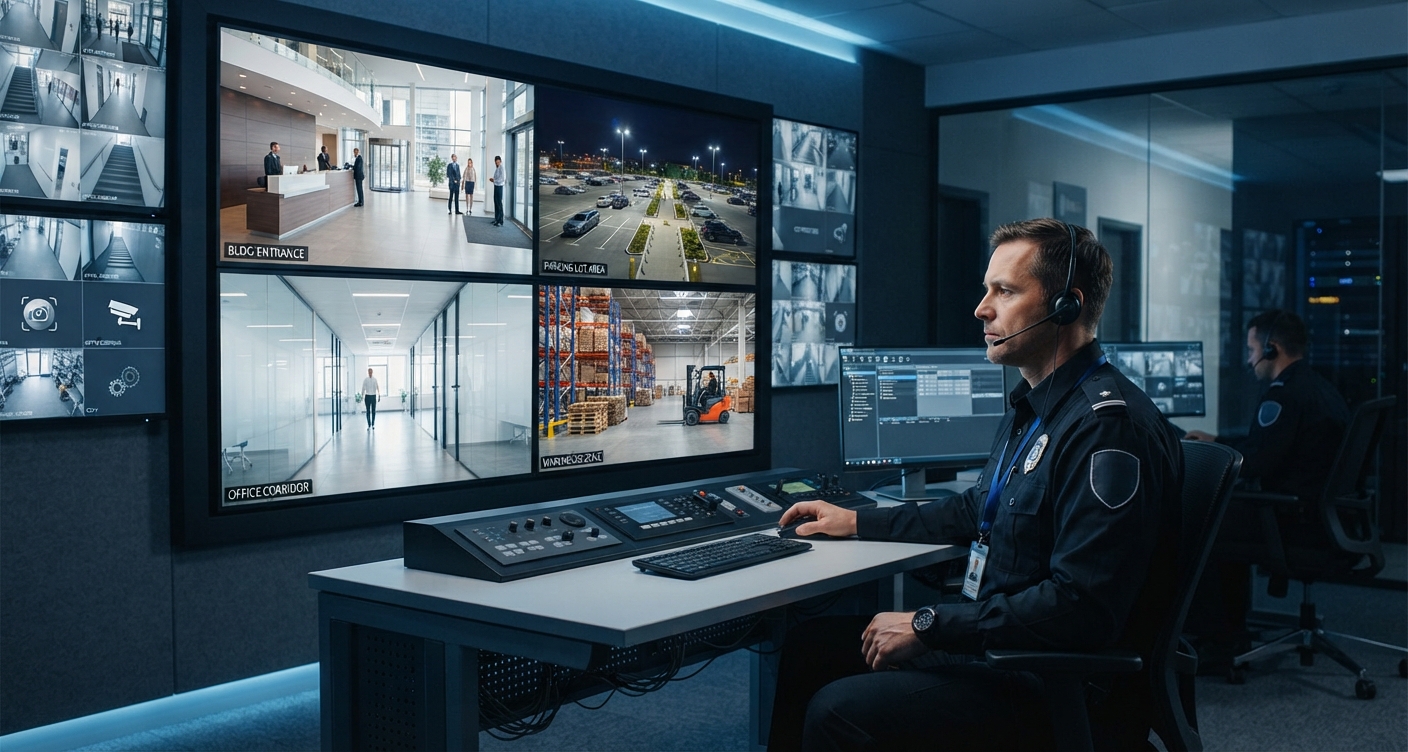
Technology can provide additional support during large events. Depending on the venue, organizers may use access control systems, CCTV monitoring, communication devices, digital reporting tools, and other solutions.
These technologies can help personnel maintain better awareness of important areas and provide useful information when an incident needs to be reviewed.
Technology works most effectively when combined with trained personnel and clear operational procedures.
Choosing the Right Team
The people responsible for managing event safety should understand the specific requirements of the venue and event.
Personnel should be familiar with:
- Entry and exit procedures.
- Restricted areas.
- Emergency routes.
- Communication methods.
- Event schedules.
- Reporting procedures.
- Their individual responsibilities.
Pre-event briefings can help ensure that everyone understands their role before attendees arrive.
Planning for Different Types of Events
Every event has its own requirements. A business conference may have controlled guest lists and registration areas, while a large public gathering may involve significantly higher attendance and more complex crowd movement.
Event organizers should therefore avoid using a single approach for every occasion.
A site assessment before the event can help identify potential challenges and determine where additional personnel, monitoring, or access controls may be appropriate.
Reviewing the Event Afterward
Security planning should continue after the event has ended. Reviewing incidents, crowd movement, access issues, and communication challenges can help organizers identify areas for improvement.
A short post-event review can provide useful information for future events and help teams develop more effective procedures over time.
Conclusion
Creating a safe and organized event requires preparation, communication, trained personnel, and appropriate technology. Managing entrances, protecting restricted areas, monitoring crowd movement, preparing for emergencies, and maintaining clear communication can all contribute to a better experience for attendees.
By assessing the venue and event requirements in advance and reviewing performance afterward, organizers can continually improve their approach to safety and event operations.
You Might Also Like
 Professional Development
 Loss Prevention
 Security Officer Career Growth
 CCTV & Surveillance
Ready to See Geo Guard Pro in Action?
14-day free trial. No credit card. No lock-in.