Creating a Safer and More Secure Business Environment
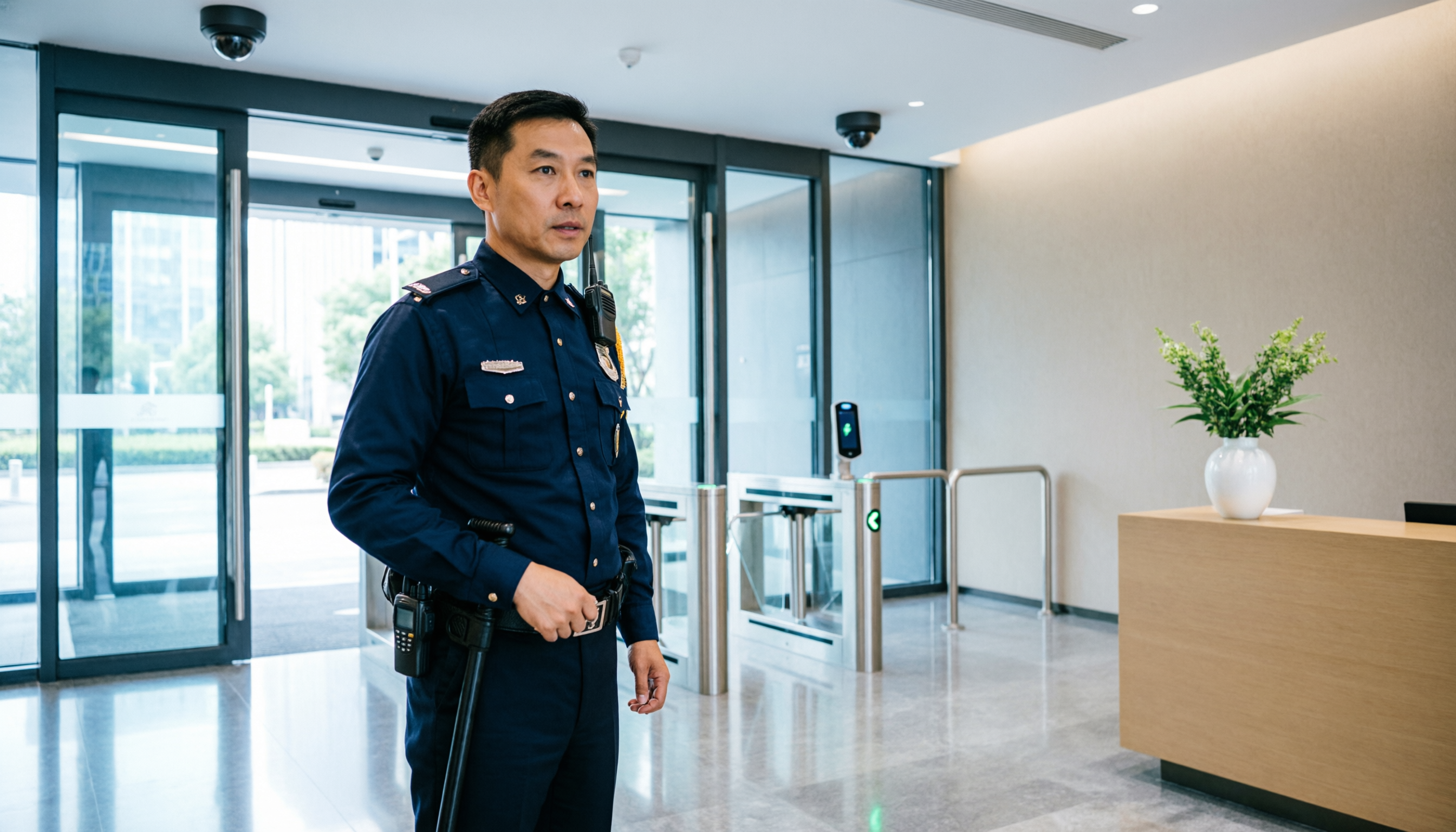
A secure workplace is an important part of a successful business. Companies need to protect their employees, visitors, property, equipment, and daily operations while maintaining an environment where people can work comfortably and efficiently.
As businesses become more dependent on technology, valuable assets, and interconnected facilities, security requires more than simply monitoring an entrance. A well-planned approach combines trained personnel, clear procedures, technology, and regular risk assessments to address the specific needs of a workplace.
Understanding Workplace Security Needs
Every organization has different security requirements. A corporate office may need to focus on employee access and visitor management, while a large business facility may have additional concerns involving parking areas, deliveries, restricted rooms, equipment, and multiple entrances.
Before establishing security procedures, organizations should consider factors such as:
- The size and layout of the facility.
- Number of employees and visitors.
- Operating hours.
- Valuable equipment and assets.
- Access points and restricted areas.
- Previous security concerns.
- Location-specific risks.
Understanding these factors allows businesses to develop security procedures that are relevant to their actual working environment.
Protecting Employees and Visitors
Employees and visitors should be able to enter and move around a workplace within a controlled and organized environment.
Security personnel can help monitor entrances, manage visitors, provide directions, observe unusual activity, and respond to security concerns according to established procedures.
Clear visitor management is particularly important in workplaces where contractors, clients, delivery personnel, and other guests regularly enter the facility.
Managing Access to Restricted Areas
Not every area of a business should be accessible to everyone. Server rooms, storage areas, management offices, equipment rooms, and other sensitive locations may require additional access restrictions.
Access control systems can help organizations assign permissions based on roles and responsibilities. Security personnel can also monitor entry points and address unauthorized access attempts.
Regularly reviewing access permissions is important to ensure former employees, contractors, or individuals who no longer require access do not retain unnecessary privileges.
Protecting Business Assets
Businesses invest heavily in equipment, inventory, documents, technology, and other physical assets. Protecting these resources can help reduce operational disruptions and unnecessary losses.
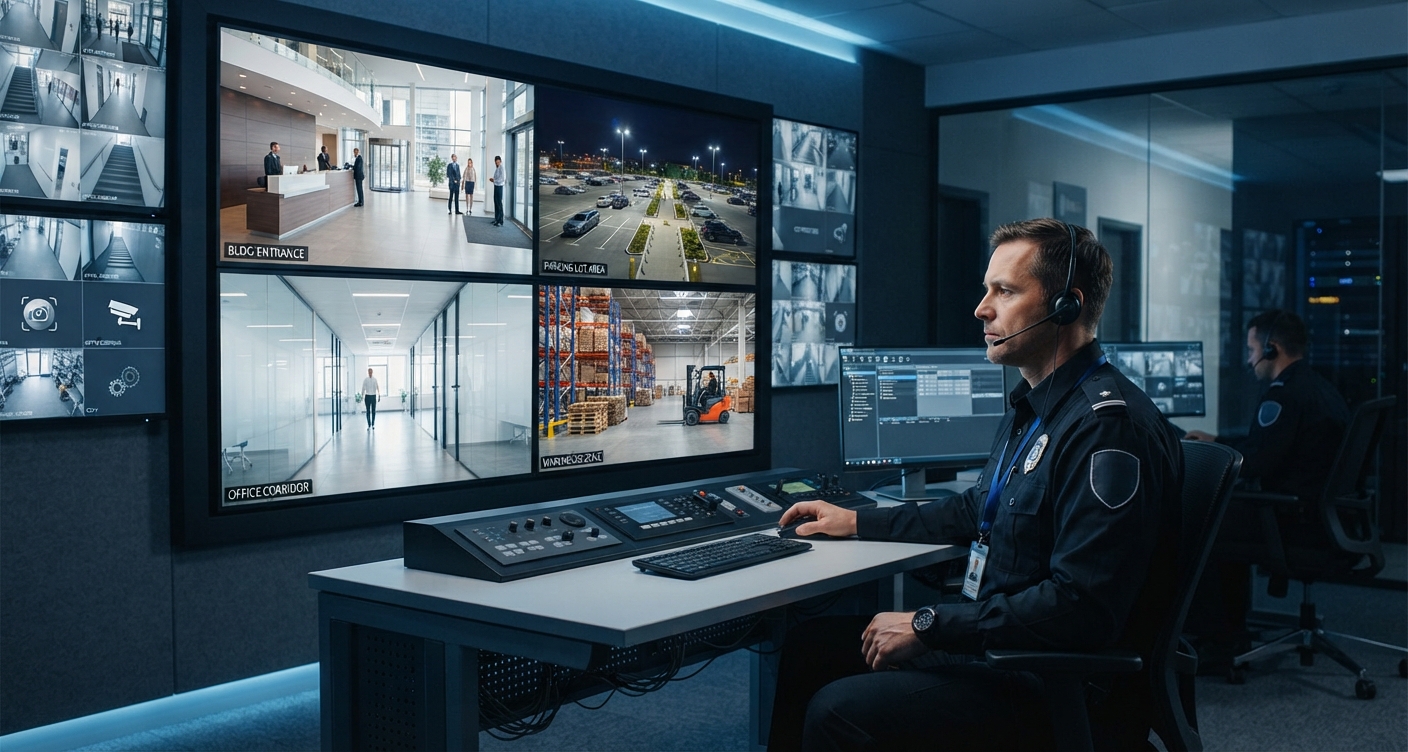
Security teams can support asset protection through regular patrols, access monitoring, CCTV surveillance, incident reporting, and communication with management.
Security procedures should also cover areas such as loading zones, storage facilities, parking areas, and other locations where valuable assets may be present.
The Role of CCTV and Modern Technology
Technology can provide valuable support for workplace security. CCTV systems can help monitor important areas, while access control systems can regulate entry to restricted locations.
Digital reporting and security management platforms can also help organizations maintain records of incidents, patrols, schedules, and other operational activities.
When technology is combined with trained security personnel, organizations can gain better visibility into their security operations.
Preparing for Security Incidents
Even with effective preventive measures, unexpected incidents can occur. Businesses should have clear procedures for handling security concerns and emergencies.
Security personnel should understand how to identify and report incidents, communicate with supervisors, protect the affected area when appropriate, and contact emergency services when required.
Regular training and clear communication can help security teams respond more calmly and consistently during unexpected situations.
Security and Business Continuity
Security is closely connected to business continuity. A serious security incident can disrupt employees, customers, equipment, facilities, and normal business operations.
Preventive security measures can help organizations reduce avoidable disruptions and maintain a more stable working environment.
Regular reviews of security procedures can also help businesses identify weaknesses before they become larger problems.
Building a Professional Security Culture
Security is not only the responsibility of security personnel. Employees also play an important role in maintaining a safe workplace.
Organizations can encourage employees to:
- Follow access procedures.
- Report suspicious activity.
- Protect workplace credentials.
- Avoid allowing unauthorized individuals into restricted areas.
- Follow emergency procedures.
- Cooperate with security personnel.
When employees and security teams work together, security becomes part of the organization's everyday culture.
Regularly Reviewing Security Procedures
Business environments change over time. Companies may move offices, expand facilities, introduce new technology, hire additional employees, or change operating hours.
These changes can create new security requirements. Regular assessments allow organizations to identify changing risks and update their procedures accordingly.
A security plan should therefore be treated as an ongoing process rather than a one-time investment.
Conclusion
Creating a secure corporate environment requires a combination of people, procedures, and technology. Trained security personnel can provide a visible presence and support daily operations, while access control, CCTV, reporting systems, and other technologies can provide additional layers of protection.
By understanding their specific risks, establishing clear procedures, training employees, and regularly reviewing their security arrangements, businesses can create a safer and more organized workplace.
A proactive approach to workplace protection not only helps safeguard people and assets but can also support business continuity and long-term operational stability.
You Might Also Like
 Professional Development
 Loss Prevention
 Security Officer Career Growth
 CCTV & Surveillance
Ready to See Geo Guard Pro in Action?
14-day free trial. No credit card. No lock-in.