CCTV Security Planning: A Practical Guide to Building an Effective Surveillance System
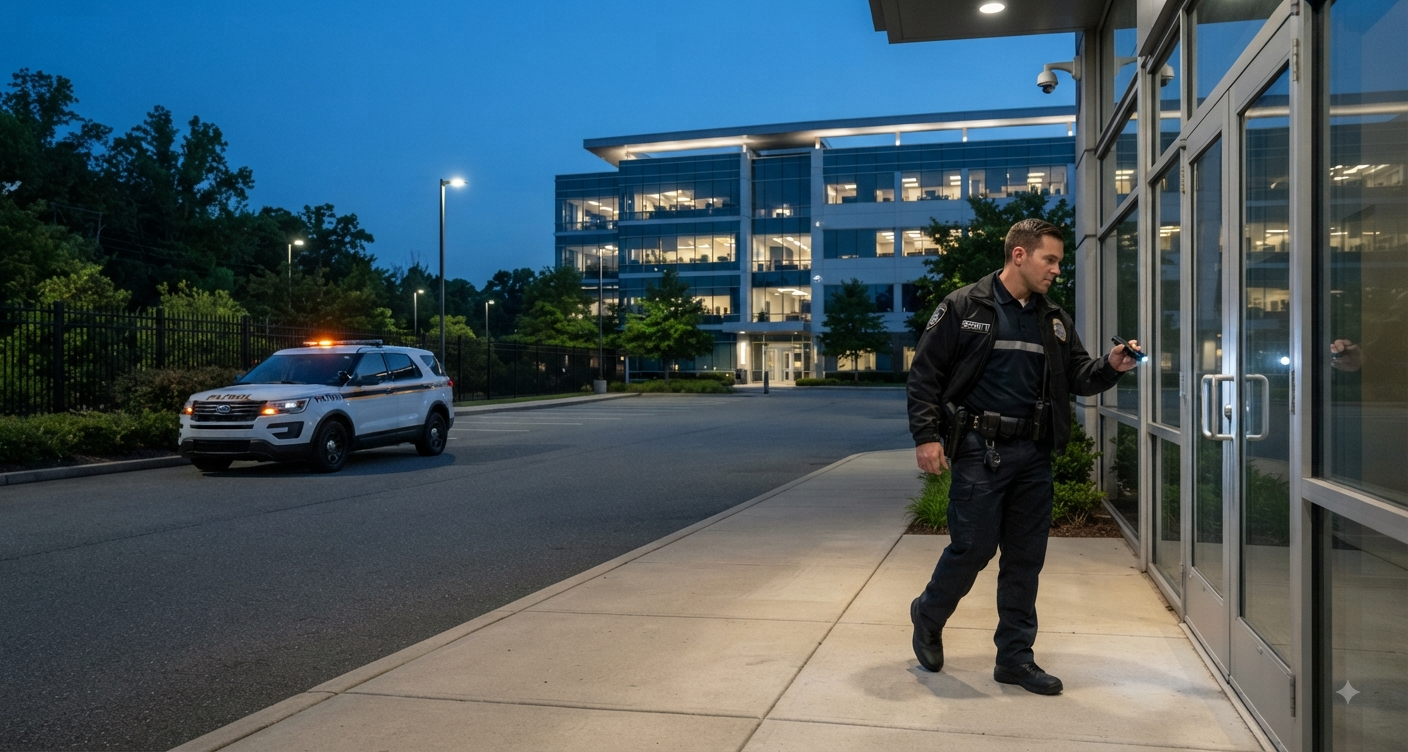
CCTV Security Planning: A Practical Guide to Building an Effective Surveillance System
Installing CCTV cameras is only one part of building an effective surveillance strategy. A camera may record an incident, but the quality of the security system depends on where cameras are positioned, what areas they cover, how footage is managed, and whether the system is regularly maintained.
For businesses, commercial properties, residential communities, warehouses, construction sites, and other facilities, CCTV planning should begin with understanding the property's security requirements. Instead of installing cameras wherever convenient, organizations should identify vulnerable areas, determine appropriate camera coverage, consider lighting conditions, and establish clear procedures for monitoring and reviewing recorded footage.
A well-planned CCTV system can provide useful visual information while becoming an important component of a broader physical security strategy.
Start With a Security Assessment
Before selecting cameras or recording equipment, the first step should be understanding the property.
Every site has different security concerns. A retail business may need strong coverage around entrances, checkout areas, and parking facilities. A warehouse may require surveillance around loading docks, storage areas, and restricted zones. An office building may prioritize entrances, reception areas, corridors, and exterior access points.
A basic CCTV assessment should consider:
- Main entrances and exits
- Emergency exits
- Parking areas
- Loading and unloading zones
- Perimeter boundaries
- Restricted-access areas
- Storage locations
- High-value asset areas
- Blind spots
- Areas with limited lighting
- Locations where incidents have previously occurred
The purpose of this assessment is to determine where surveillance can provide meaningful security visibility.
Identify Critical Surveillance Zones
Not every area of a property requires the same level of monitoring.
Critical zones should be prioritized according to the property's layout and security risks. Entrances, for example, may require cameras capable of capturing useful identification details, while a large parking area may require wider coverage.
Creating a surveillance zone map can help security teams visualize:
- Which areas require continuous coverage
- Which areas need wider-angle monitoring
- Where overlapping camera views may be useful
- Where lighting could affect image quality
- Which locations require specialized cameras
This planning stage can reduce unnecessary camera placement and help prevent important areas from being overlooked.
Choose Cameras According to the Environment
There is no single CCTV camera that is ideal for every location.
Camera selection should be based on the environment and the purpose of surveillance.
For example, outdoor locations may require cameras designed to withstand weather conditions. Areas requiring identification may benefit from cameras with suitable resolution and positioning, while large open spaces may require cameras designed for broader coverage.
Factors to evaluate include:
- Image resolution
- Viewing angle
- Low-light performance
- Infrared capability
- Weather resistance
- Field of view
- Mounting position
- Required recording quality
- Distance from the surveillance target
Choosing equipment based only on specifications or price can result in a system that looks impressive on paper but performs poorly in actual operating conditions.
Camera Placement Matters
Even a high-quality camera cannot compensate for poor placement.
A camera positioned too high may provide a broad view but make identification difficult. A camera facing directly toward strong sunlight may produce glare or reduced image quality. Similarly, obstacles such as walls, trees, signs, vehicles, or structural elements can create blind spots.
During installation, security teams should evaluate:
- Camera height
- Viewing direction
- Potential obstructions
- Lighting conditions
- Entry and exit movement
- Areas outside the camera's useful field of view
- Accessibility for maintenance
The goal is to position each camera according to the specific security purpose it is expected to serve.
Consider Lighting Conditions
Lighting can significantly influence surveillance quality.
A location that appears well lit during the day may become difficult to monitor after sunset. Similarly, direct sunlight, headlights, reflective surfaces, and changing shadows can affect recorded footage.
Security planners should examine camera locations under different lighting conditions and determine whether additional lighting or camera features are necessary.
Nighttime testing is particularly important for outdoor surveillance systems because it can reveal problems that are not visible during daytime installation.
Plan Recording and Storage Capacity
A CCTV system is not complete simply because cameras are capturing video.
Organizations also need to determine how footage will be recorded, stored, accessed, and retained.
Storage planning should consider:
- Number of cameras
- Recording resolution
- Frame rate
- Continuous or event-based recording
- Expected retention period
- Storage capacity
- Backup requirements
- Access permissions
The appropriate configuration depends on the organization's operational requirements and applicable policies or regulations.
A well-designed storage strategy helps ensure that important footage remains available when it is actually needed.
Secure Access to Surveillance Footage
Recorded video can contain sensitive information, so access should be managed carefully.
Organizations should establish appropriate permissions for people who can view, export, or manage CCTV footage. Administrative accounts should be protected, and access should be limited according to job responsibilities.
Security teams should also maintain clear procedures for handling exported footage when it is required for an investigation or incident review.
Good access management helps reduce the risk of unauthorized viewing, alteration, or distribution of surveillance material.
Connect CCTV With the Wider Security Strategy
CCTV should not operate in isolation.
A surveillance system becomes more useful when it works alongside other security measures such as access control, alarms, security officers, visitor management, lighting, and incident reporting procedures.
For example, an access-control event may indicate that a restricted door was opened, while CCTV footage can provide visual information about what happened around that location.
Similarly, a security officer responding to an incident can use available camera footage to better understand the surrounding area.
This combination creates a more complete security picture than relying on a single technology.
Test the System After Installation
Installation should always be followed by testing.
Security teams should verify that cameras are:
- Recording correctly
- Covering the intended areas
- Producing usable images
- Functioning during nighttime conditions
- Properly connected to the recording system
- Accessible to authorized users
- Free from significant blind spots
Testing should also include reviewing recorded footage rather than simply checking whether a live camera image appears on a monitor.
A camera can display a live feed while still having problems with recording, storage, image quality, or time synchronization.
Maintain Cameras and Equipment
CCTV systems require ongoing maintenance.
Dust, weather exposure, vibration, construction activity, vegetation growth, damaged cables, network issues, and equipment failures can gradually reduce surveillance effectiveness.
Routine maintenance may include:
- Cleaning camera lenses
- Inspecting mounts
- Checking cables and connections
- Reviewing image quality
- Testing recording functions
- Checking storage capacity
- Reviewing system alerts
- Removing or managing obstructions
- Verifying camera positioning
Regular checks help identify problems before they become critical during an actual security incident.
Review Coverage as the Property Changes
A surveillance system designed several years ago may no longer match the current security requirements of a property.
Businesses expand. Buildings are renovated. New entrances are created. Parking layouts change. Storage areas move. Construction projects introduce temporary security risks.
Whenever the physical environment changes, CCTV coverage should be reviewed.
This approach ensures that surveillance remains aligned with the property rather than simply continuing according to an outdated installation plan.
Common CCTV Planning Mistakes
Several mistakes can reduce the effectiveness of a surveillance system.
Installing Too Many Cameras Without a Strategy
More cameras do not automatically mean better security. Poorly planned coverage can create unnecessary costs without addressing important vulnerabilities.
Ignoring Nighttime Conditions
A camera that performs well during daylight may not provide useful footage at night.
Creating Blind Spots
Important entrances, corners, gates, or restricted areas can be overlooked when camera placement is not carefully mapped.
Focusing Only on Hardware
Cameras are only one component of the system. Recording, access management, maintenance, monitoring, and response procedures also matter.
Neglecting Maintenance
Even a professionally installed system can become ineffective if lenses, cables, mounts, storage systems, or network connections are not maintained.
Building a CCTV System Around the Property
Effective surveillance starts with the property rather than the equipment catalog.
A professional approach begins with a security assessment, identifies critical zones, selects suitable equipment, plans camera placement, considers lighting, establishes recording and access procedures, and continues with regular testing and maintenance.
The result should be a surveillance system designed for the actual environment and security requirements of the organization.
Final Thoughts
CCTV is most effective when it is treated as part of a complete security strategy rather than simply a collection of cameras.
Careful planning can improve coverage, reduce blind spots, support incident investigations, and help security teams make better use of recorded information. From the first site assessment to ongoing maintenance, every stage contributes to the reliability of the system.
For businesses and property managers considering a new CCTV installation or reviewing an existing surveillance setup, taking the time to evaluate coverage, equipment, recording requirements, access controls, and maintenance needs can make the system significantly more practical and effective.
You Might Also Like
 Professional Development
 Loss Prevention
 Security Officer Career Growth
 CCTV & Surveillance
Ready to See Geo Guard Pro in Action?
14-day free trial. No credit card. No lock-in.