Building a Stronger Future in the Security Profession

A successful career in the security industry is built through experience, professional conduct, continuous learning, and the ability to adapt to changing workplace requirements. Security personnel who consistently improve their skills can become more effective in their current roles while preparing themselves for greater responsibilities.
Modern security work involves much more than monitoring a property. Officers may be responsible for access management, patrols, incident reporting, communication, customer interaction, emergency procedures, and the use of security technology. Developing a broad range of skills can help professionals build a stronger foundation for long-term success.
Start With Strong Professional Foundations
Every successful security career begins with understanding the responsibilities of the role. Officers should become familiar with their assigned location, workplace procedures, communication requirements, and expectations.
Reliability is equally important. Arriving on time, following procedures, maintaining professional conduct, and completing assigned responsibilities consistently can help establish trust with supervisors and clients.
A strong professional reputation can become an important foundation for future opportunities.
Develop Effective Communication Skills
Security officers regularly communicate with employees, visitors, supervisors, clients, contractors, and emergency personnel.
Clear communication can help officers:
- Provide information accurately.
- Handle routine questions professionally.
- Report incidents effectively.
- Communicate with team members.
- Reduce misunderstandings.
- Remain professional during difficult situations.
Strong written communication is also valuable because security personnel may need to prepare incident reports, activity logs, and other workplace documentation.
Strengthen Observation and Awareness
Good observation skills are essential for security work. Officers should understand the normal activity of their assigned environment so they can recognize unusual situations that may require attention.
Developing situational awareness involves paying attention to people, surroundings, access points, changes in activity, and potential safety concerns.
Experience can improve these skills, but officers should continue actively developing them through training and practical learning.
Become Comfortable With Technology
Technology plays an increasingly important role in modern security operations.
Depending on the assignment, security personnel may use:
- Access control systems.
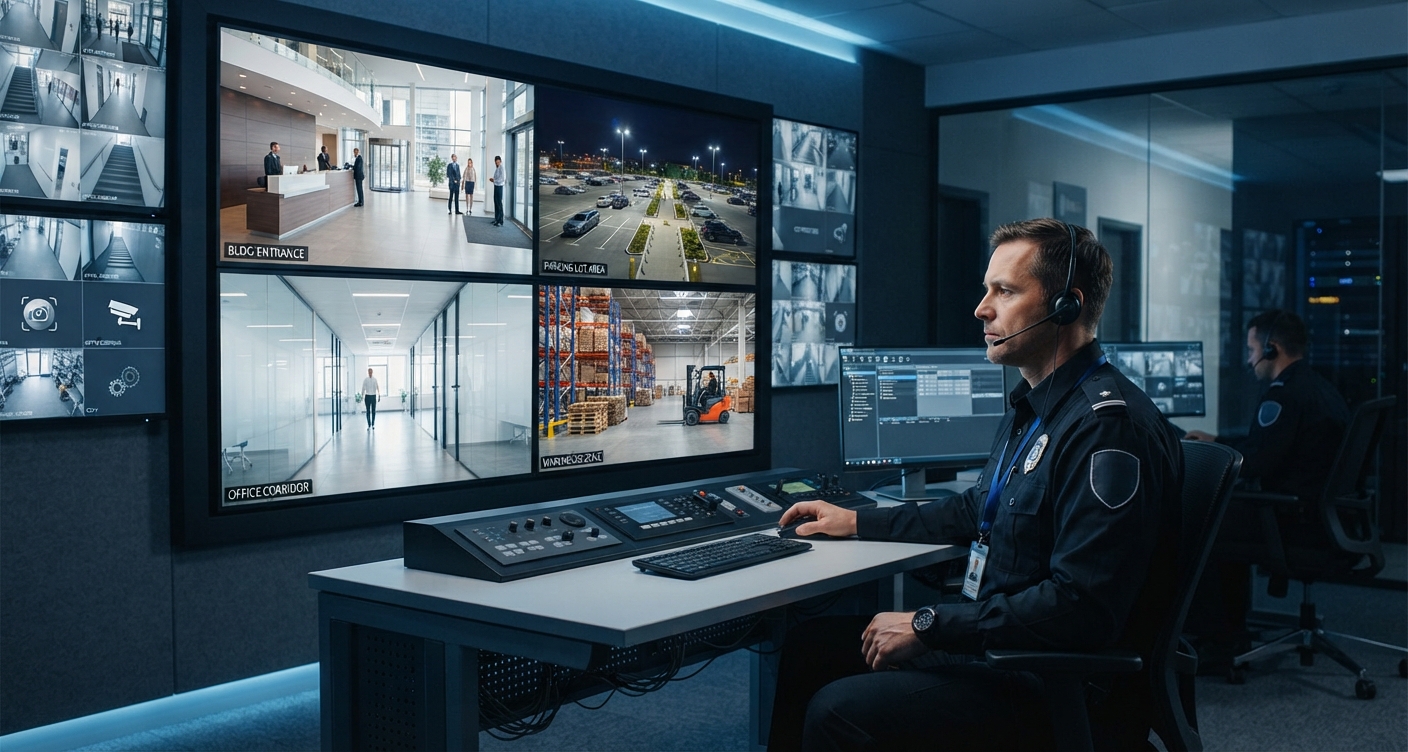
- CCTV monitoring.
- Digital reporting platforms.
- Patrol tracking tools.
- Communication devices.
- Scheduling systems.
- Mobile applications.
Learning to use these tools effectively can improve workplace efficiency and prepare officers for security environments that rely increasingly on digital systems.
Take Training Seriously
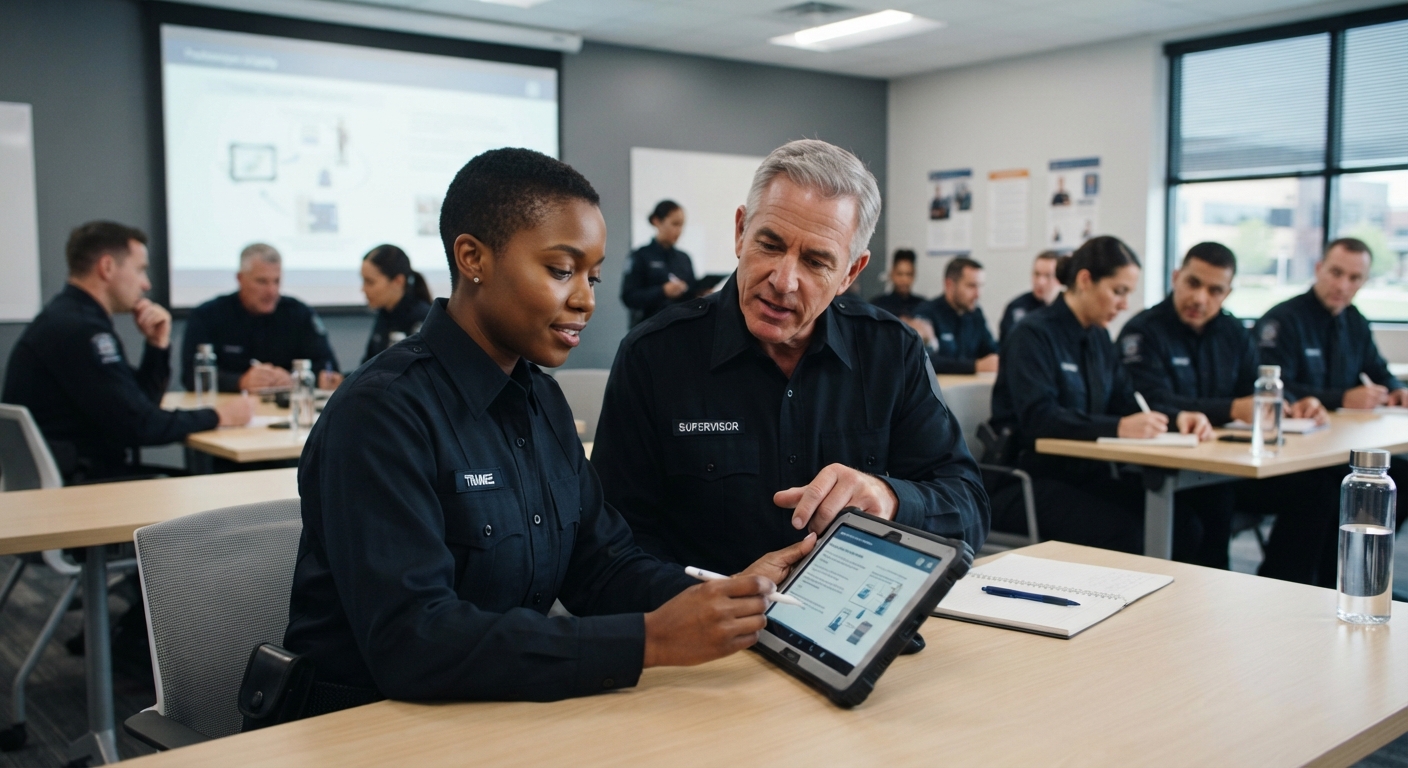
Training should not be viewed as something that ends after an officer starts a job. Security professionals can benefit from ongoing learning throughout their careers.
Additional training can help officers improve areas such as communication, emergency response, incident reporting, workplace safety, conflict management, and technology use.
Keeping skills current can also demonstrate a willingness to take professional responsibilities seriously.
Learn From Workplace Experience
Practical experience provides opportunities to learn how security procedures work in real situations.
Officers can improve by reviewing situations they have encountered, asking appropriate questions, learning from experienced colleagues, and considering how procedures could be followed more effectively.
Constructive feedback from supervisors can also help identify strengths and areas that need improvement.
Develop Leadership Abilities
Professionals who want to move into senior positions should begin developing leadership skills early.
Leadership involves more than giving instructions. It includes communication, accountability, problem-solving, teamwork, organization, and the ability to support other members of the team.
Useful leadership skills include:
- Team coordination.
- Conflict resolution.
- Time management.
- Delegation.
- Decision-making.
- Performance monitoring.
- Professional communication.
These skills can become increasingly important as responsibilities grow.
Prepare for Greater Responsibilities
Career progression often involves taking on more complex responsibilities. Officers can prepare by developing a broader understanding of security operations rather than focusing only on their individual tasks.
Understanding how scheduling, reporting, access management, patrols, client requirements, and team coordination work together can provide useful experience for future supervisory positions.
Maintain Professional Standards
Professional conduct remains important at every stage of a security career.
A security professional should maintain a respectful attitude, follow organizational policies, protect confidential information, communicate appropriately, and remain dependable.
Professionalism can influence how supervisors, clients, colleagues, and members of the public view an officer's performance.
Potential Paths for Advancement
As professionals gain experience and develop additional skills, they may become eligible for roles with increased responsibility.
Depending on the organization and individual qualifications, career paths may include:
- Senior Security Officer
- Team Leader
- Security Supervisor
- Site Supervisor
- Security Manager
Requirements vary between organizations, so professionals should understand the experience, training, and skills expected for the positions they want to pursue.
Set Clear Career Goals
Career development becomes easier when professionals have a clear idea of where they want to go.
An officer might set goals such as improving report-writing skills, learning a new security system, completing additional training, taking on team responsibilities, or preparing for a supervisory position.
Breaking larger career goals into smaller, measurable steps can make professional development more manageable.
Keep Improving Over Time
The security industry continues to change as businesses adopt new technologies, workplace procedures, and security practices.
Professionals who remain willing to learn and adapt can be better prepared for these changes.
Career development should therefore be viewed as an ongoing process rather than a single achievement. Consistent improvement can create stronger opportunities over time.
Conclusion
Building a successful security career requires a combination of practical experience, professional conduct, communication skills, technology awareness, and continuous learning.
Security professionals who take responsibility for developing their skills can improve their performance and prepare themselves for positions with greater responsibility.
Whether the goal is becoming a senior officer, team leader, supervisor, or manager, investing in professional development can provide a stronger foundation for long-term success in the security industry.
You Might Also Like
 Professional Development
 Loss Prevention
 CCTV & Surveillance
 School Security
Ready to See Geo Guard Pro in Action?
14-day free trial. No credit card. No lock-in.