Understanding the Roles of Armed and Unarmed Security in Different Industries
Understanding the Roles of Armed and Unarmed Security in Different Industries
Security requirements vary from one organization to another, making it essential to choose a security solution that aligns with the level of risk and operational needs. While both armed and unarmed security professionals share the common objective of protecting people and property, their responsibilities, deployment environments, and security strategies differ significantly. Understanding these differences enables businesses to make informed decisions and implement security measures that support both safety and operational efficiency.
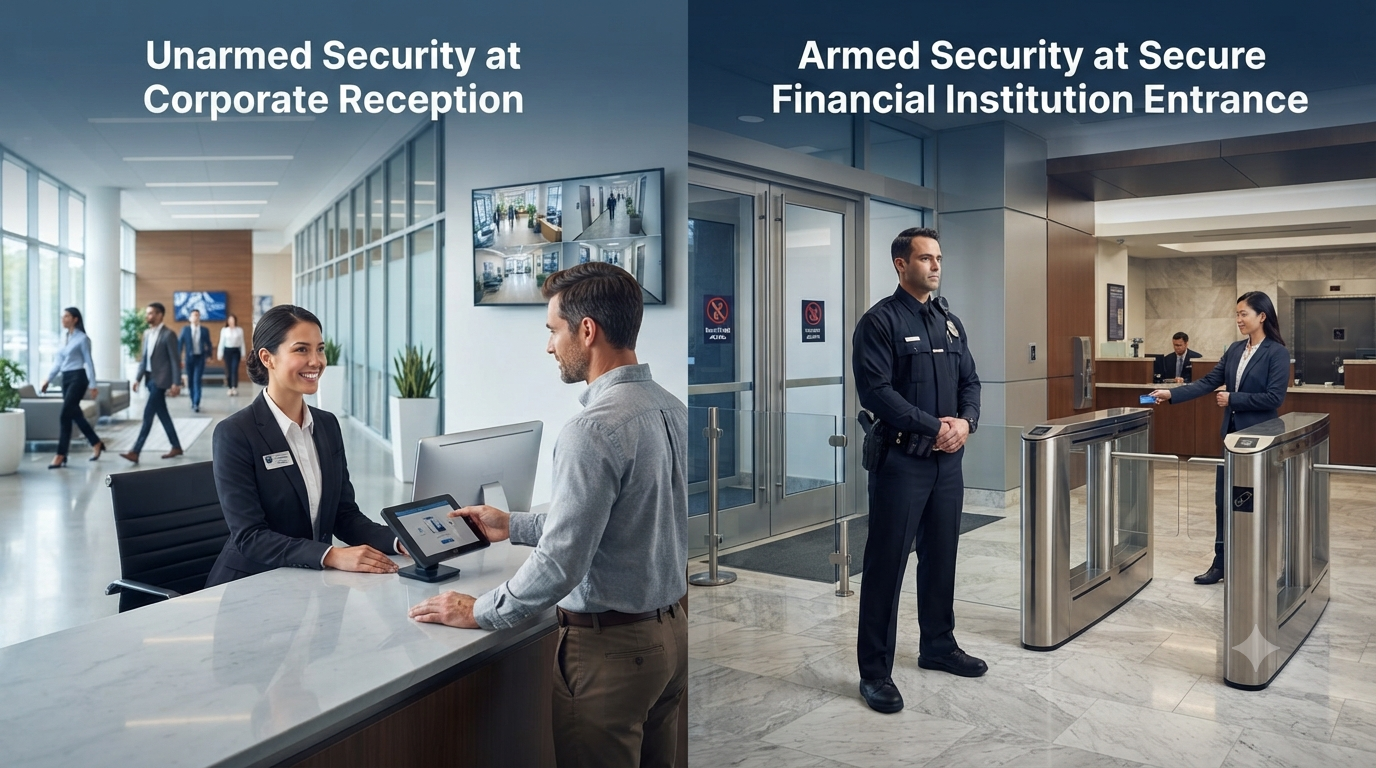
Unarmed security officers are commonly seen in office buildings, residential communities, educational institutions, healthcare facilities, shopping centers, and hotels. Their responsibilities include monitoring access points, conducting routine patrols, assisting visitors, observing CCTV systems, enforcing site policies, and reporting suspicious activities. Their approachable presence helps create a secure yet welcoming environment while reducing the likelihood of theft, vandalism, and unauthorized access.
Matching Security Services to Risk Levels
Some facilities require a higher level of protection because they manage valuable assets, sensitive information, or operate in high-risk environments. Financial institutions, critical infrastructure, industrial facilities, government buildings, and cash handling operations often require enhanced security measures. In these situations, organizations may deploy armed security personnel where legally permitted and appropriate, following all applicable regulations, licensing requirements, and company policies.
Selecting the right security solution begins with a professional risk assessment. Factors such as location, crime trends, business operations, visitor traffic, and asset value all influence the level of security required. Rather than applying the same approach everywhere, organizations benefit from customized security strategies that balance protection with operational needs.
The Importance of Professional Training
Whether security personnel are armed or unarmed, professionalism remains the foundation of effective security services. Security officers receive training in observation, conflict management, emergency response, communication, incident reporting, and customer service. Their ability to remain calm, make informed decisions, and respond appropriately during challenging situations helps maintain a safe environment without unnecessary disruption.
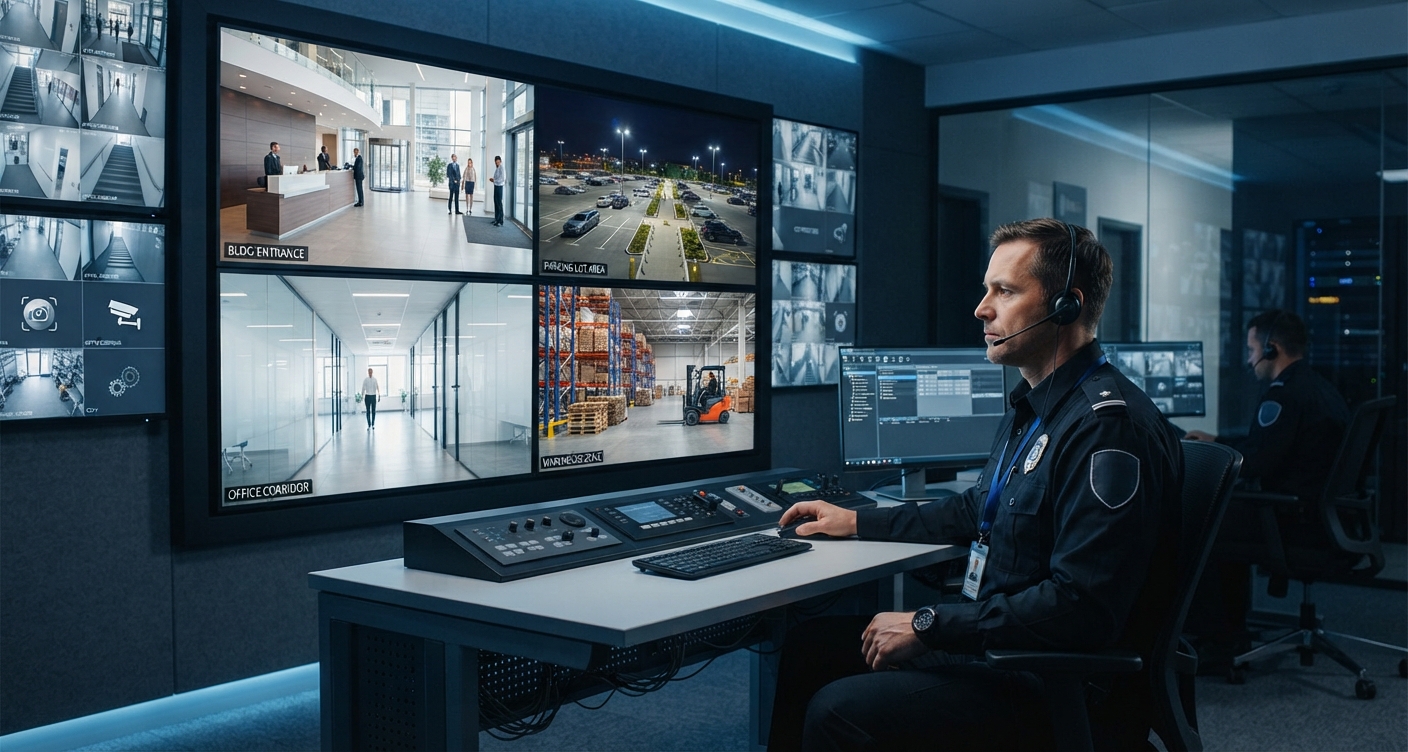
Modern security teams also rely on advanced technologies such as CCTV surveillance, access control systems, digital patrol verification, mobile reporting applications, and real-time communication tools. These technologies improve situational awareness, increase accountability, and enable faster responses to security incidents.
Building a Reliable Security Strategy
The most effective security programs combine trained personnel, modern technology, and proactive planning. Organizations should regularly review their security risks, update emergency procedures, and evaluate whether their current security services continue to meet operational requirements. As businesses grow and security challenges evolve, flexible security strategies help maintain long-term protection.
Choosing between armed and unarmed security is not about determining which service is better—it is about selecting the most appropriate level of protection for a specific environment. A well-planned security strategy enhances safety, strengthens business continuity, and builds confidence among employees, customers, and visitors.
Conclusion
Armed and unarmed security services each play an important role in protecting modern organizations. By understanding their responsibilities, evaluating operational risks, and investing in qualified security professionals, businesses can implement security solutions that provide effective protection while supporting a safe, professional, and productive environment.
You Might Also Like
 Professional Development
 Loss Prevention
 Security Officer Career Growth
 CCTV & Surveillance
Ready to See Geo Guard Pro in Action?
14-day free trial. No credit card. No lock-in.