10 Essential Skills Every Professional Security Guard Should Develop
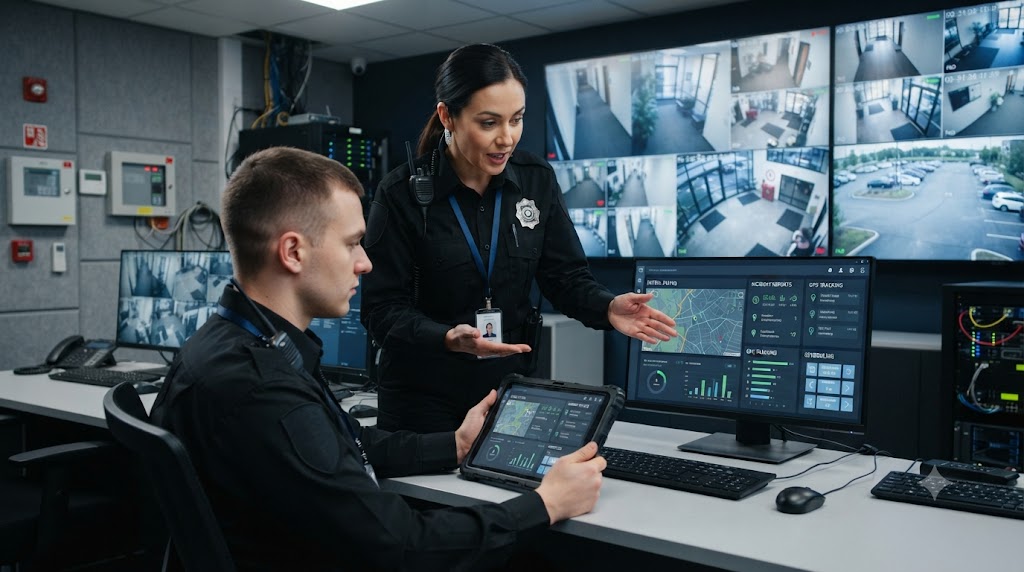
The role of a security guard has evolved significantly over the past decade. Modern security professionals are no longer expected to simply stand at entrances or patrol buildings. Today's guards are responsible for protecting people, assets, and property while responding quickly to emergencies, documenting incidents, and using technology to improve security operations.
Whether you are new to the industry or an experienced officer looking to advance your career, developing the right professional skills can improve job performance, increase client satisfaction, and create new career opportunities.
In this guide, we'll explore the ten essential skills every professional security guard should focus on developing.
1. Strong Communication Skills
Communication is one of the most valuable skills for any security professional.
Guards interact with employees, visitors, clients, emergency responders, and law enforcement daily. Being able to communicate clearly, calmly, and professionally helps prevent misunderstandings and allows incidents to be handled more efficiently.
Professional communication includes:
-
Speaking confidently
-
Listening carefully
-
Giving clear instructions
-
Writing accurate reports
-
Remaining respectful under pressure
Excellent communication often prevents situations from escalating.
2. Situational Awareness
A professional security guard constantly observes their surroundings.
Situational awareness means noticing unusual behavior, identifying potential risks, and recognizing security threats before they become serious incidents.
Experienced guards develop habits such as:
-
Monitoring entrances and exits
-
Watching for suspicious activity
-
Identifying safety hazards
-
Observing changes in normal routines
Early detection often prevents larger security issues.
3. Emergency Response Knowledge
Emergencies can happen without warning.
Security guards should know how to respond confidently to situations such as:
-
Fire emergencies
-
Medical incidents
-
Theft
-
Violence
-
Natural disasters
-
Evacuations
Regular emergency training ensures faster response times and helps protect lives and property.
4. Report Writing Skills
Security reports become official records.
Every incident should be documented using clear, factual, and objective language.
A quality incident report should include:
-
Date and time
-
Location
-
People involved
-
Actions taken
-
Witness statements
-
Evidence collected
Well-written reports assist supervisors, clients, and law enforcement when reviewing incidents.
5. Technology Proficiency
Modern security relies heavily on technology.
Today's guards regularly use:
-
Mobile security applications
-
GPS tracking
-
Digital patrol systems
-
QR code checkpoints
-
NFC patrol verification
-
Incident reporting software
-
Digital attendance systems
Learning these tools increases efficiency while reducing paperwork and administrative errors.
6. Conflict Resolution
Not every situation requires physical intervention.
Many incidents can be resolved through calm conversation and professional conflict management.
Successful guards know how to:
-
Stay calm under pressure
-
De-escalate tense situations
-
Maintain professionalism
-
Protect everyone involved
-
Follow company procedures
Conflict resolution protects both guards and the public.
7. Physical Fitness
Although technology assists security teams, physical readiness remains important.
Security officers may spend long hours walking patrol routes, standing during shifts, or responding quickly to emergencies.
Maintaining physical fitness improves:
-
Endurance
-
Mobility
-
Reaction time
-
Overall health
-
Workplace performance
8. Legal and Ethical Knowledge
Professional guards must understand local security regulations, company policies, and ethical responsibilities.
Knowledge of legal procedures helps guards:
-
Respect individual rights
-
Handle incidents lawfully
-
Protect client interests
-
Reduce liability
-
Maintain compliance
Continuous education keeps officers updated with changing regulations.
9. Time Management
Security operations depend on consistency.
Professional guards should arrive on time, complete patrols according to schedule, submit reports promptly, and manage multiple responsibilities efficiently.
Good time management helps organizations maintain accountability while improving client confidence.
10. Continuous Learning
The security industry continues to evolve through new technologies, regulations, and operational procedures.
Successful security professionals regularly invest in learning through:
-
Professional certifications
-
Company training programs
-
Online learning
-
Industry seminars
-
Security technology updates
Continuous learning creates better career opportunities and improves overall service quality.
You Might Also Like
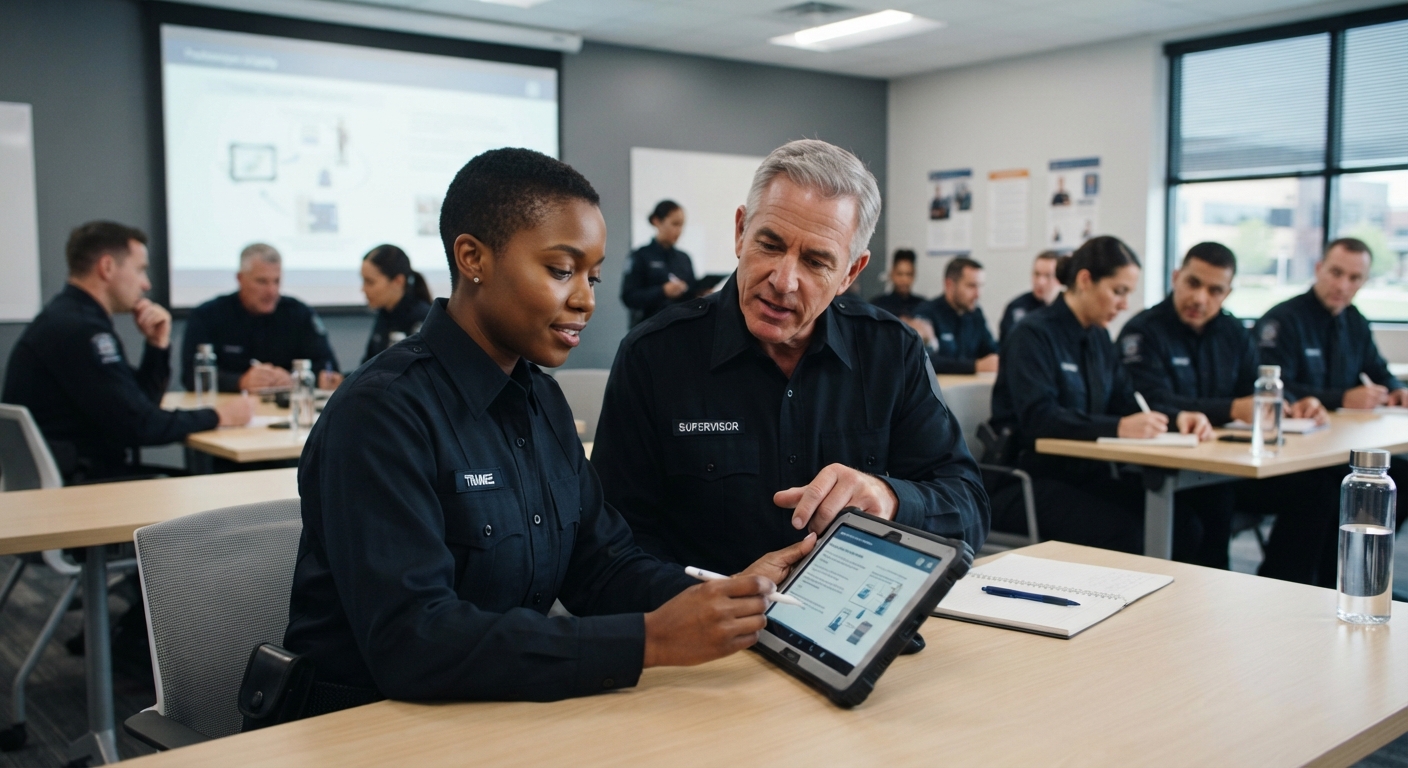 Professional Development
 Loss Prevention
 Security Officer Career Growth
 CCTV & Surveillance
Ready to See Geo Guard Pro in Action?
14-day free trial. No credit card. No lock-in.